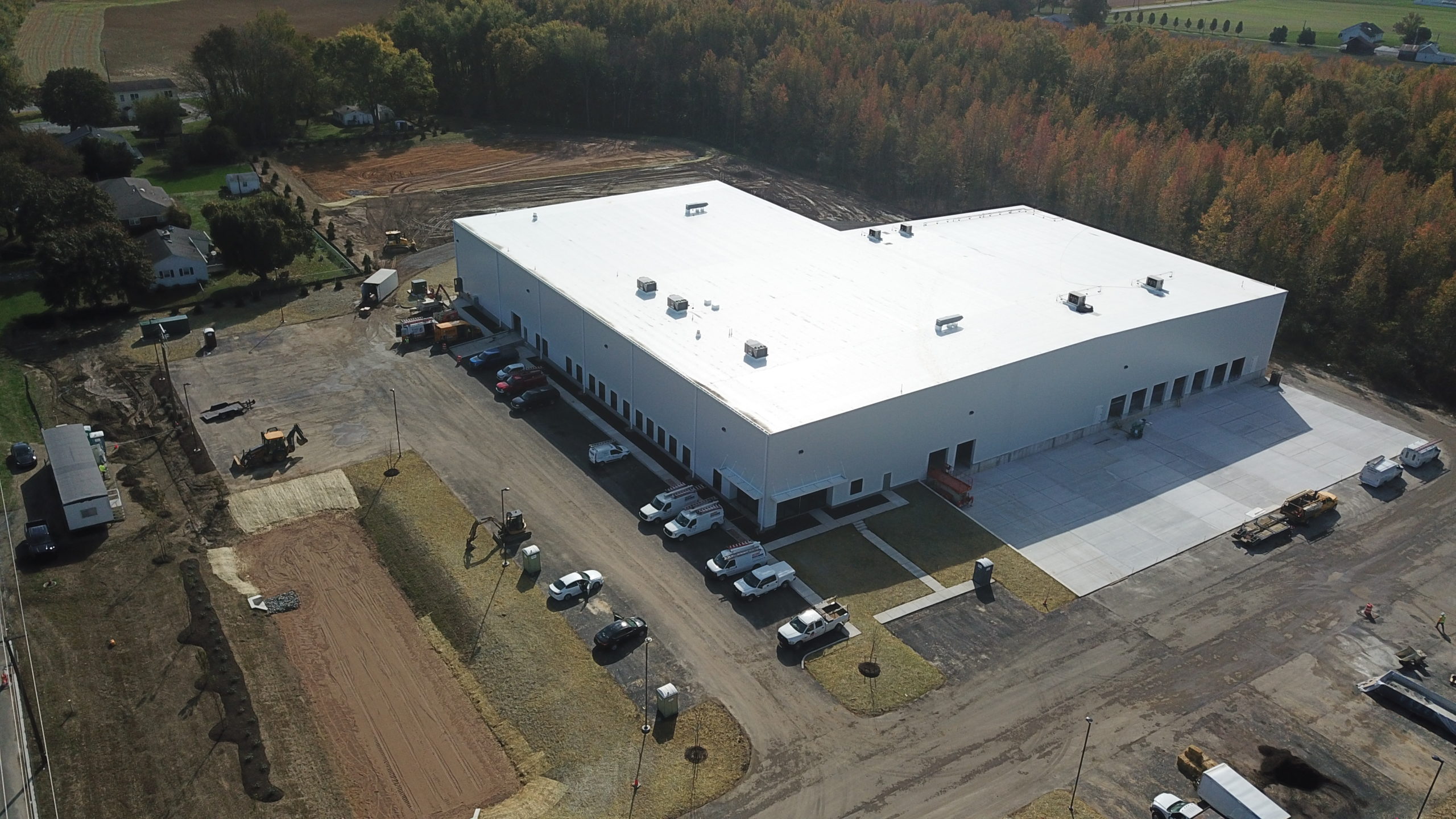
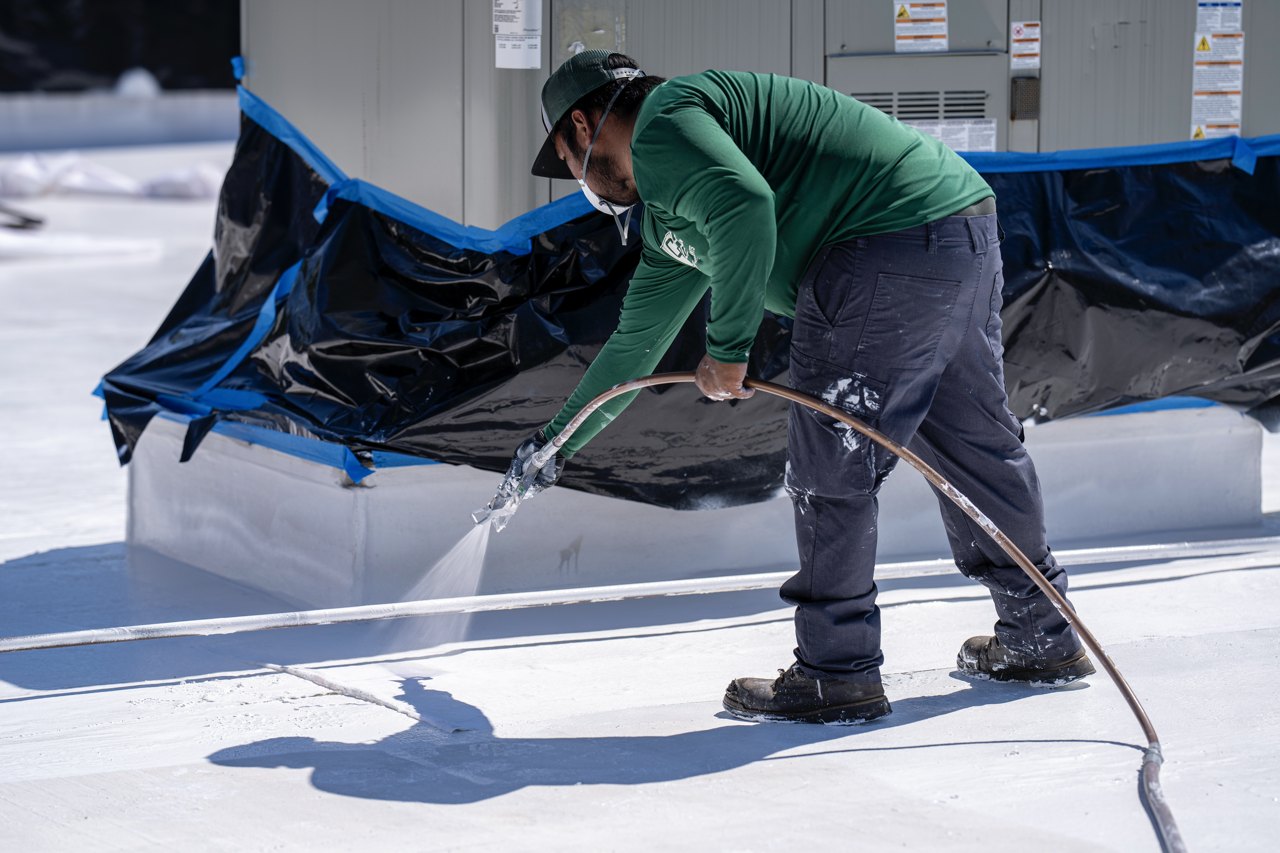
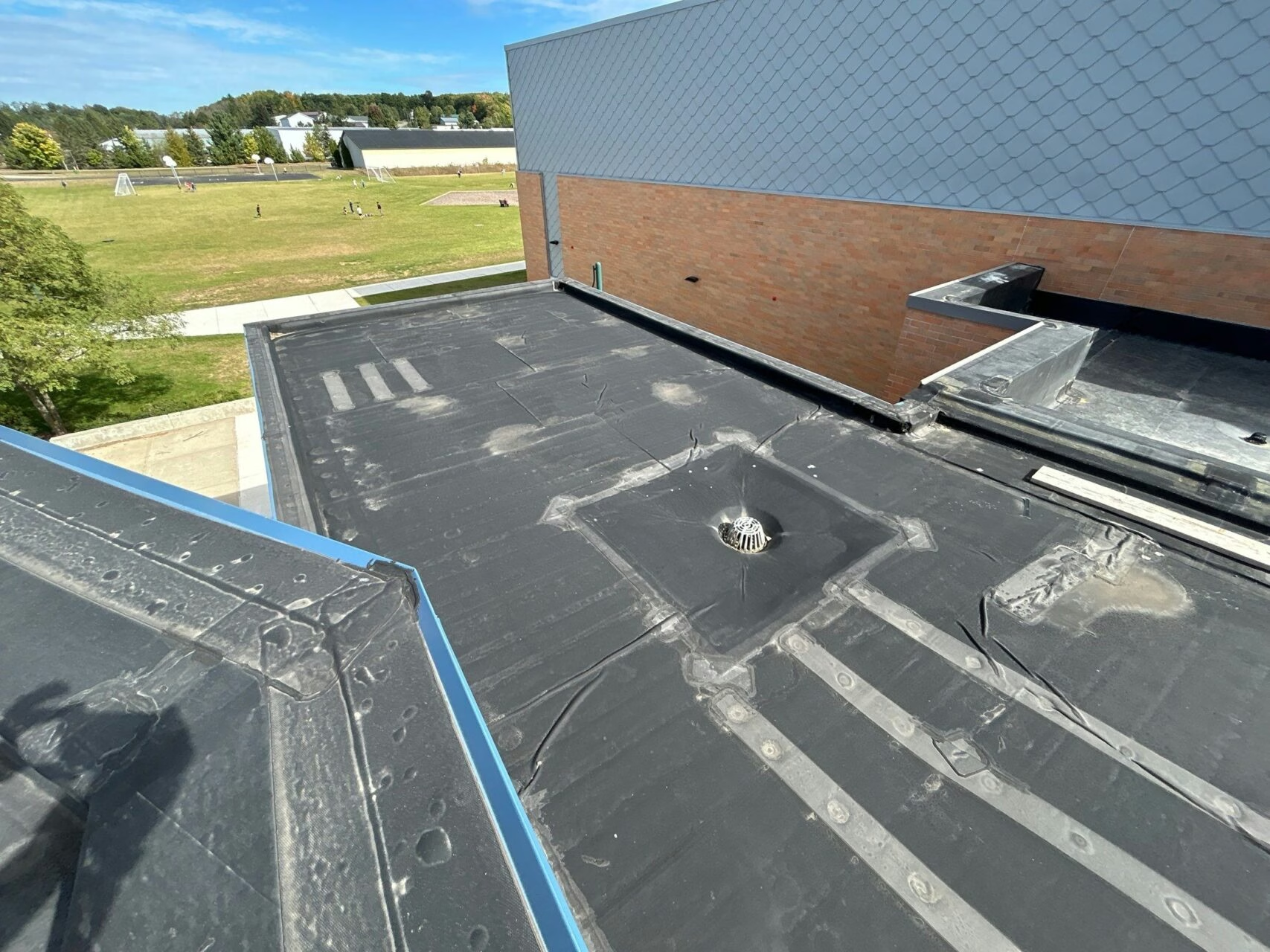
Insurance documentation support work gets risky when the file starts with a repair estimate instead of the building. We start with a baseline: membrane type and age, deck construction, drain and scupper locations, parapet height, rooftop equipment, and access constraints, all recorded before any damage-specific documentation begins. That baseline is what lets us tell an adjuster or asset manager what changed versus what has always been there.
For an active insurance claim, the documentation centers on the damage itself: photos tied to a roof plan, measurements of the affected area, moisture readings where water has tracked under the membrane, and notes on the likely cause. We're your roofing contractor, not a public adjuster, we document and substantiate the roof damage so you and your adjuster work from an accurate scope.
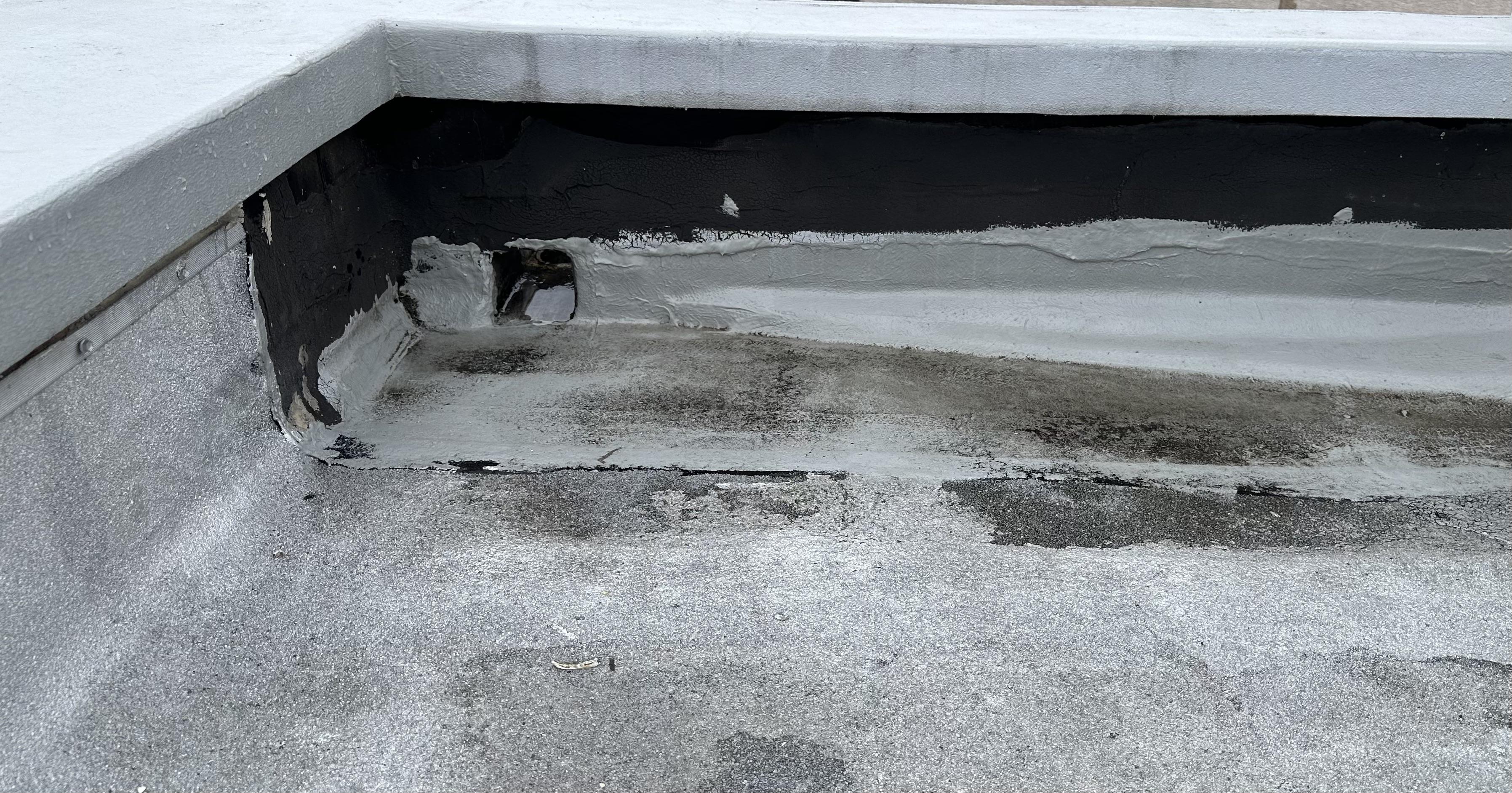
The leak pattern matters in every file we build, because water rarely surfaces directly below where it entered. A curb, scupper, pipe boot, roof-to-wall transition, or lap seam can move water through insulation before it reaches a tenant space, and a documentation file that only shows the interior stain without tracing the roof-side path leaves the claim short.
Ponding water and moss growth come up constantly in Portland documentation files, and we treat them as maintenance conditions rather than damage unless a specific event connects to them, a scupper crushed by wind-blown debris during a Pacific storm, or drainage blocked by ice after a winter freeze. We note which category applies before an adjuster has to guess.
Access and code items get documented alongside the damage. A downtown roof near SW Broadway, a Central Eastside industrial building, a Swan Island warehouse near the port, and a medical roof near Marquam Hill do not stage or repair the same way, and code triggers like Oregon's Energy Efficiency Specialty Code insulation requirements or Chapter 24.85 structural rules for older buildings can change the scope once repair work starts.
Moisture review is where most documentation files earn their keep. Probe cuts, core notes, infrared timing when it is useful, and interior leak reports tell us whether insulation can stay, where recovery board is realistic, and where a tear-off allowance needs to be carried, distinctions that matter as much for a capital-planning file as for an open claim.
Closeout documentation is more than a paid invoice. We hand the owner photos, moisture notes, drain conditions, and a maintenance recommendation that can move to the next property manager without losing the roof's history, whether the file started as an insurance claim or a routine capital assessment.