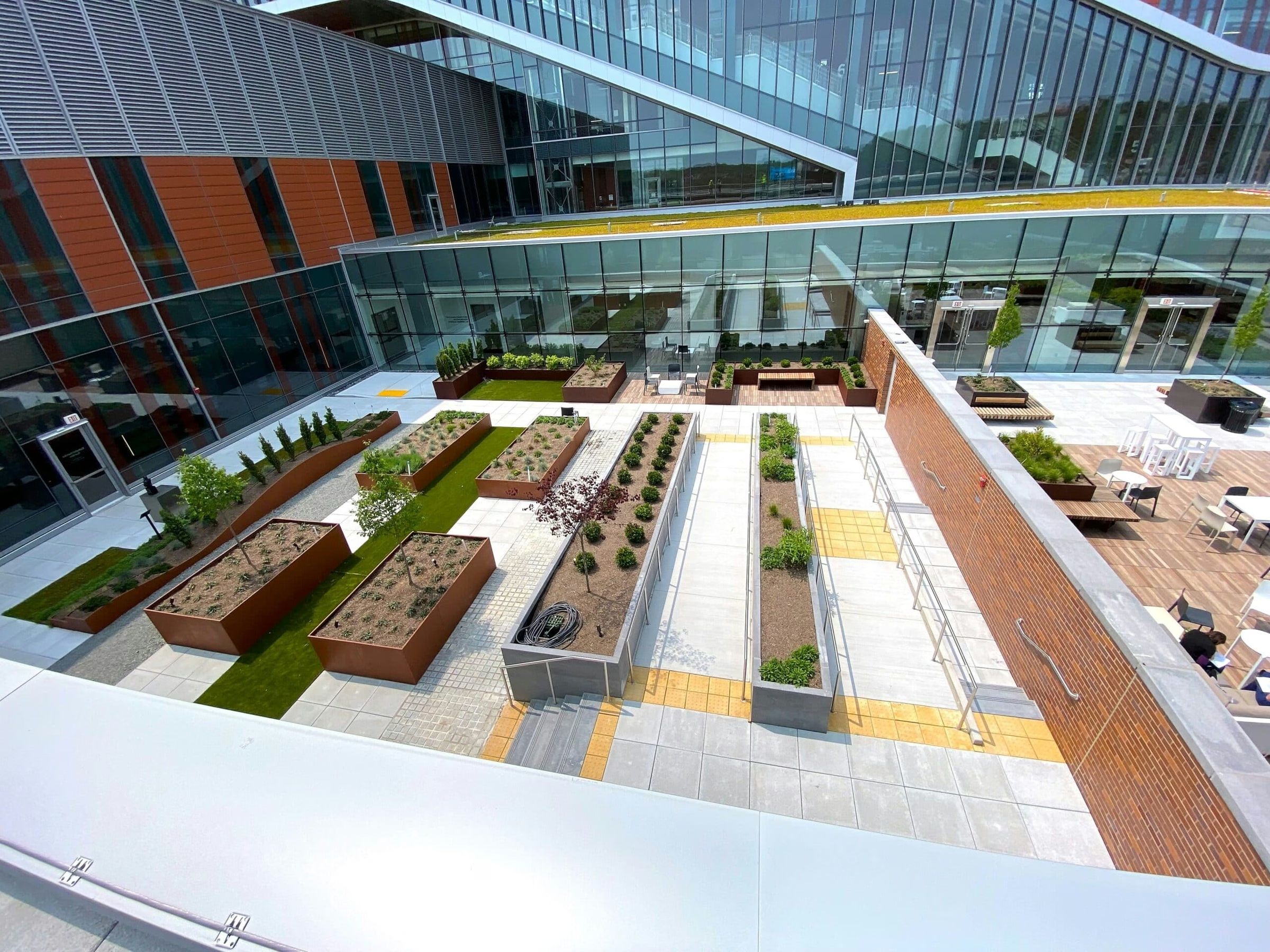
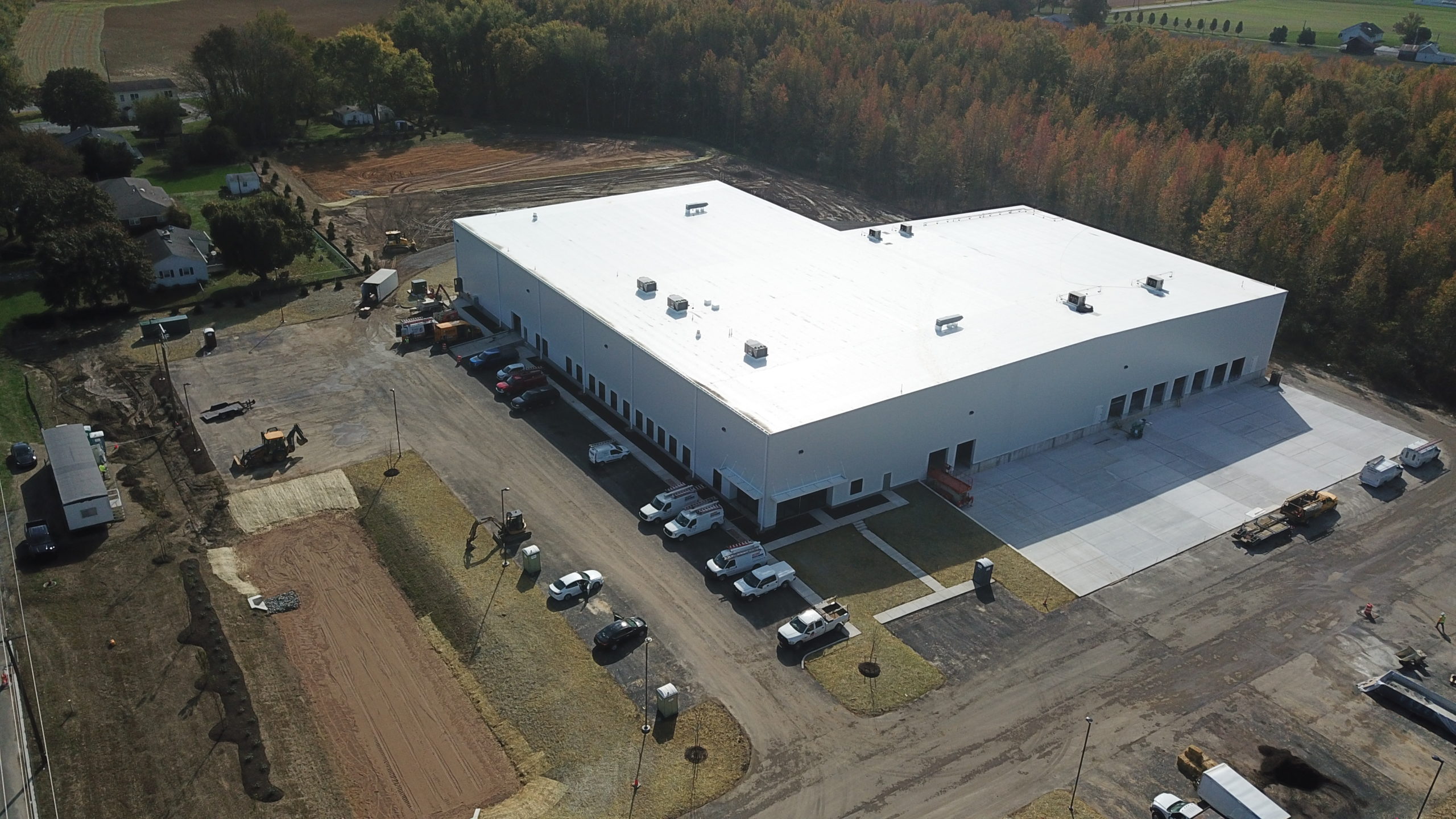
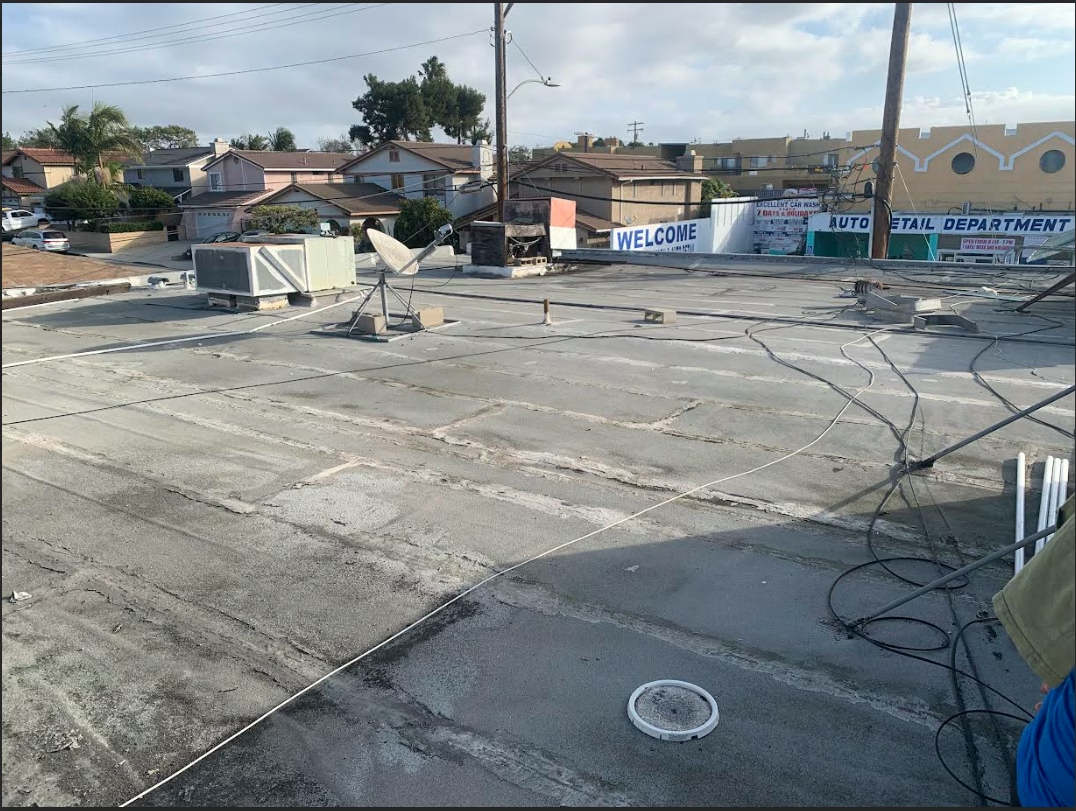
Commercial buildings across Portland carry a mix of roof ages and systems , older built-up and modified bitumen decks on Central Eastside industrial buildings, TPO and PVC recover systems on newer distribution space near Swan Island, EPDM on older warehouse stock along the Columbia Corridor. A claim starts with identifying what roof is actually up there: membrane type, approximate install date, deck construction, drainage layout, and the condition of flashings and edge metal before anyone talks about repair cost.
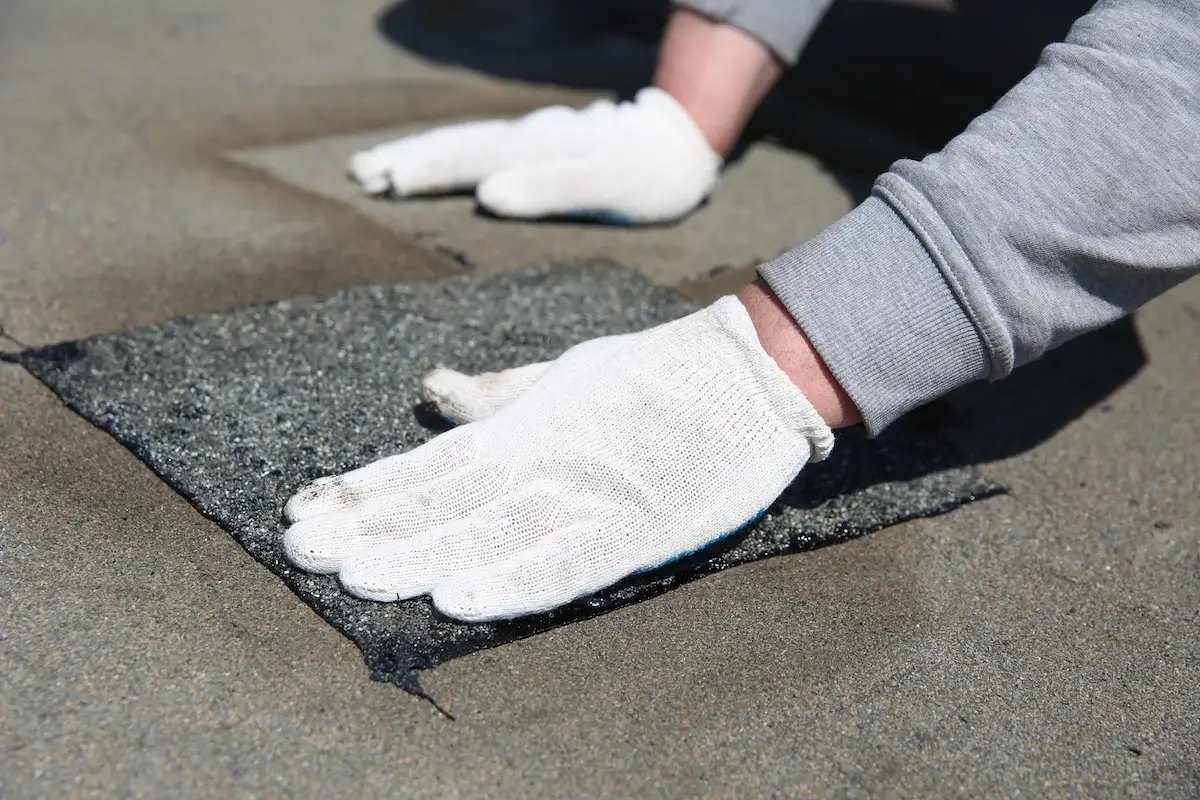
From there we build a damage record: photographs organized by roof zone, measurements of the affected square footage, moisture readings where water has tracked under the membrane, and notes on anything that points to cause , a torn membrane at a parapet, a scupper that failed during a specific storm, a section of coping blown loose. We're your roofing contractor, not a public adjuster , we document and substantiate the roof damage so you and your adjuster work from an accurate scope.
Ponding on a low-slope Portland roof is common after a heavy rain and, by itself, is not damage , it is a maintenance condition tied to slope and drainage design. What matters for a claim is whether a specific event caused the ponding, such as a drain crushed by wind-blown debris or a scupper torn loose. We document that mechanism, along with the standing water, so the claim rests on a condition an adjuster will read as event-driven rather than ordinary wear.
The same distinction applies to moss and surface moisture, which are constant on Portland's low-slope membranes given how long the roof stays damp through fall and winter. Moss growth, granule loss, and gradually aging flashing are maintenance items an insurer will not cover. A membrane split from wind uplift on a specific date, or flashing torn loose in a documented storm, is a different category. We note which condition we are looking at before the adjuster does.
When the adjuster comes out, we walk the roof with them. We point to the specific damage locations, share our field notes and photo log, and answer technical questions about the roof assembly , deck type, insulation, membrane attachment, and how the damage pattern connects to the event in question. We do not negotiate the settlement or represent the owner's position to the carrier; our job on that walk is to make sure the adjuster is looking at the same roof we documented, not a partial view.
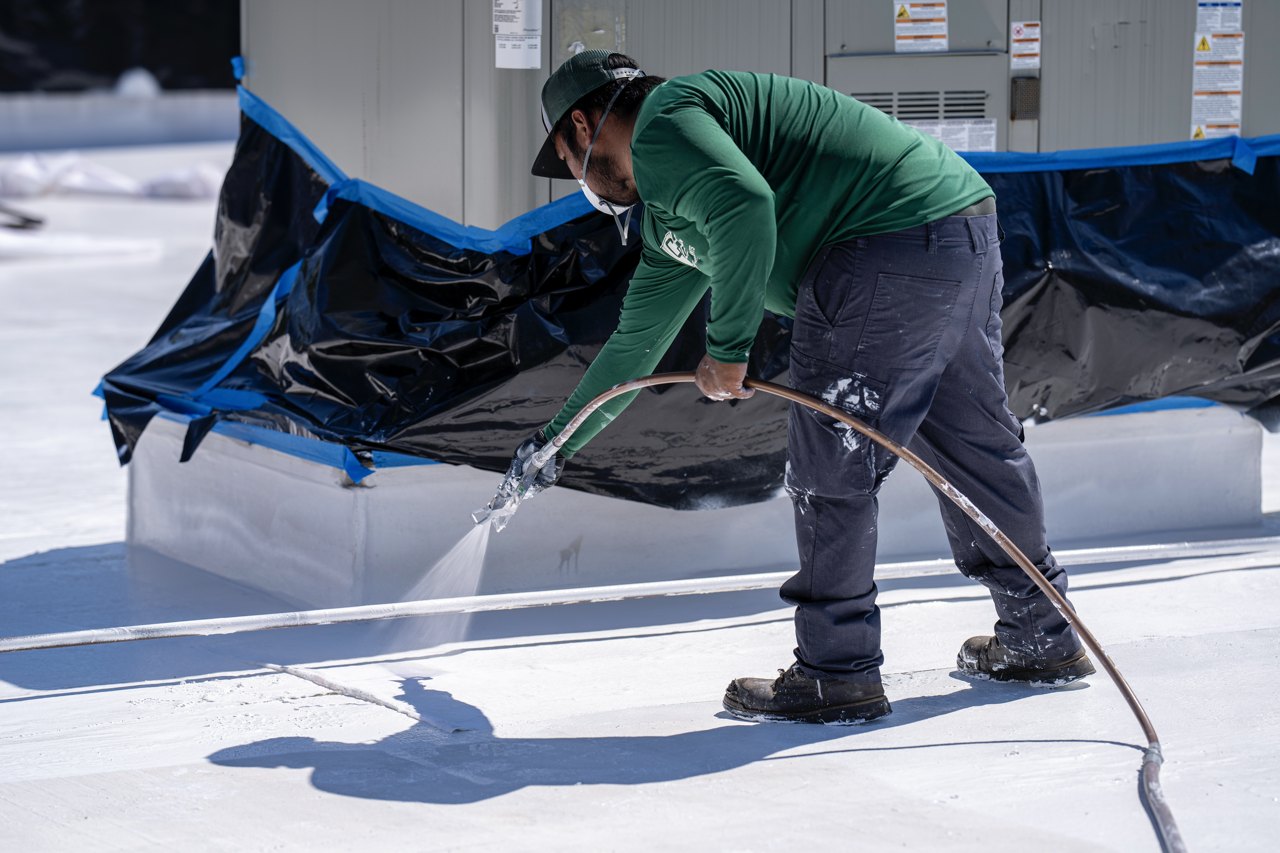
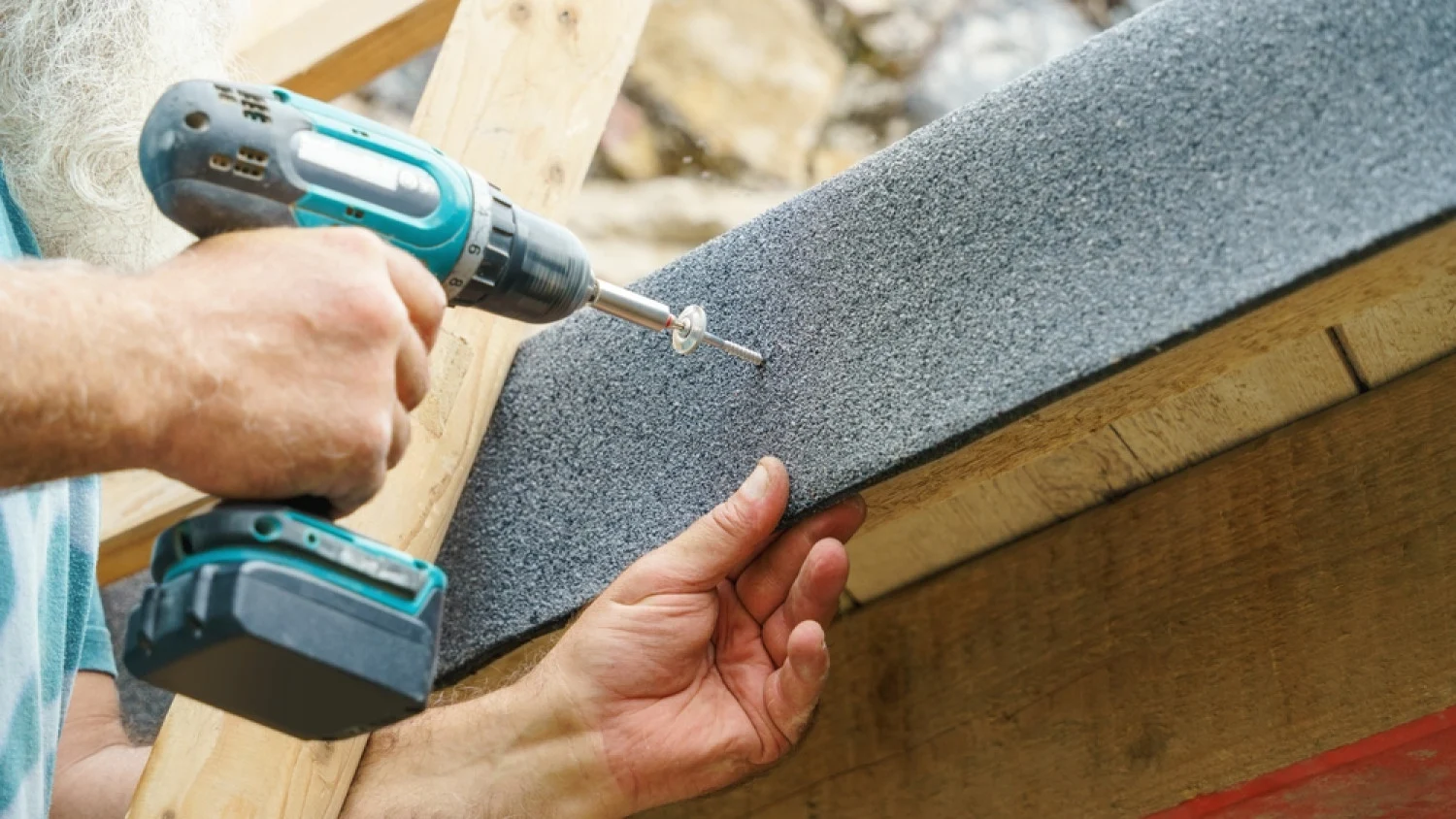
A complete repair scope covers more than the visible tear or puncture. It accounts for code-required upgrades that come with the repair , insulation brought up to the current Oregon Energy Efficiency Specialty Code on a reroof-scale repair, edge metal and coping replaced to current wind-uplift standards, membrane matched across the affected field rather than patched in a way that voids the existing warranty. Leaving those items out of the estimate means the owner pays for them later out of pocket.
Claims get denied or underpaid for predictable reasons: not enough documentation, damage that reads as gradual wear because no cause was established, or a scope that under-counts the affected area. When that happens, we can re-inspect the roof, add supplemental photos and moisture data, and put together a written damage assessment the owner can bring back to their adjuster or carrier. What we do not do is file the claim, appeal a denial, or negotiate the payout , that stays with the owner and their insurer or, if they choose to bring one in, a licensed public adjuster.
If you are starting a claim or have one that stalled, send us the building address, a description of what happened, and any photos you already have. We will schedule a roof walk, put together the documentation, and give you a scope you and your adjuster can both work from.