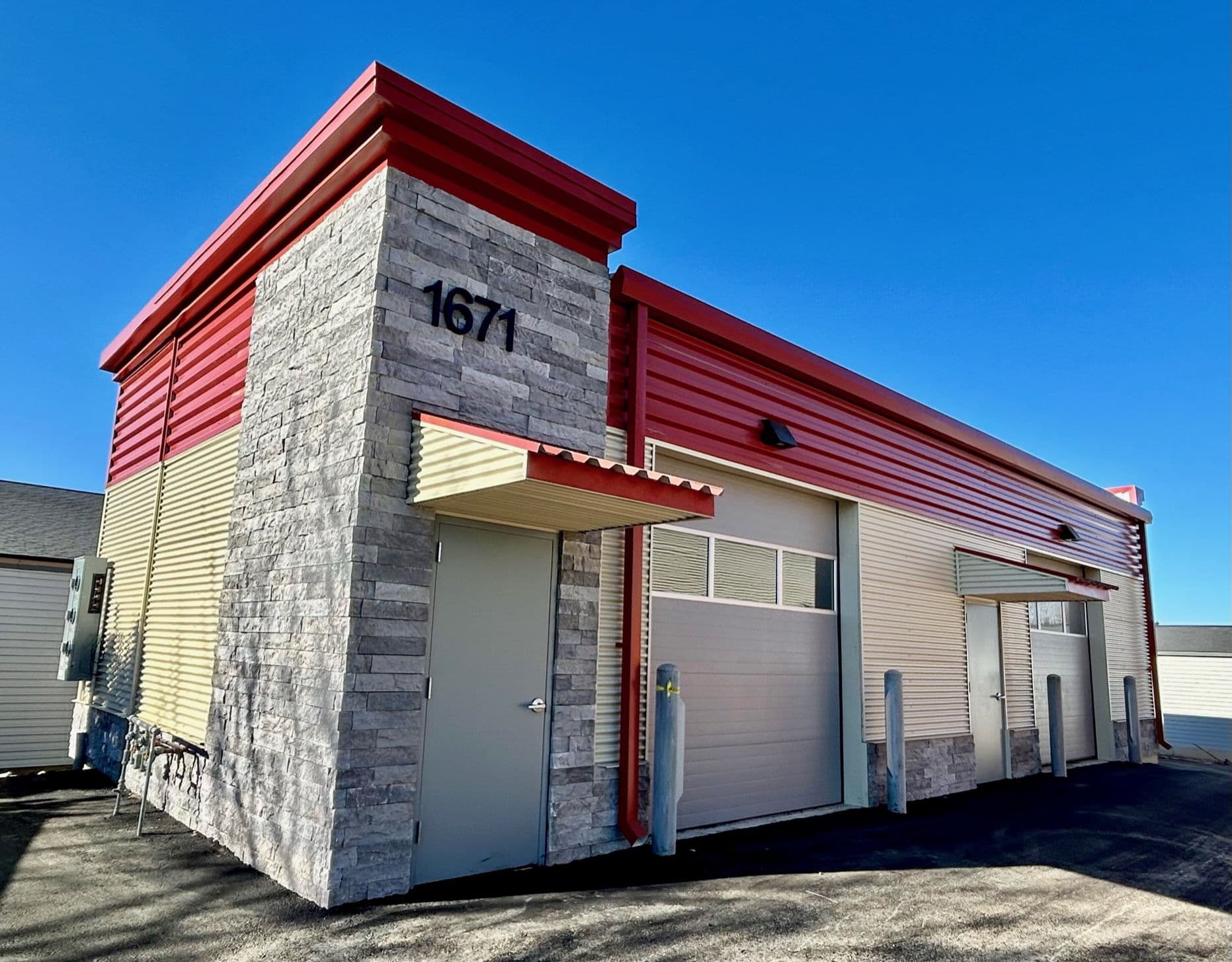
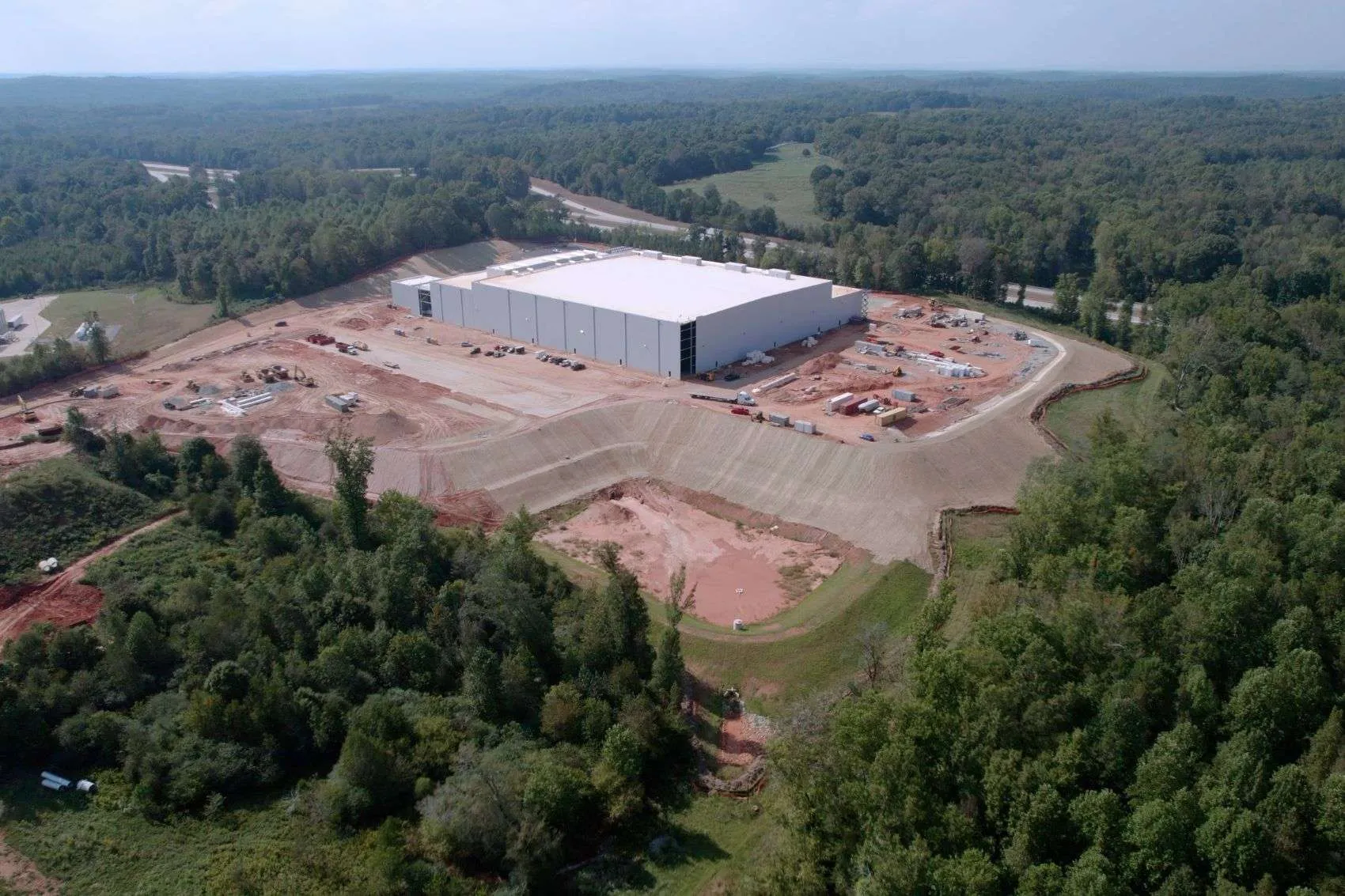
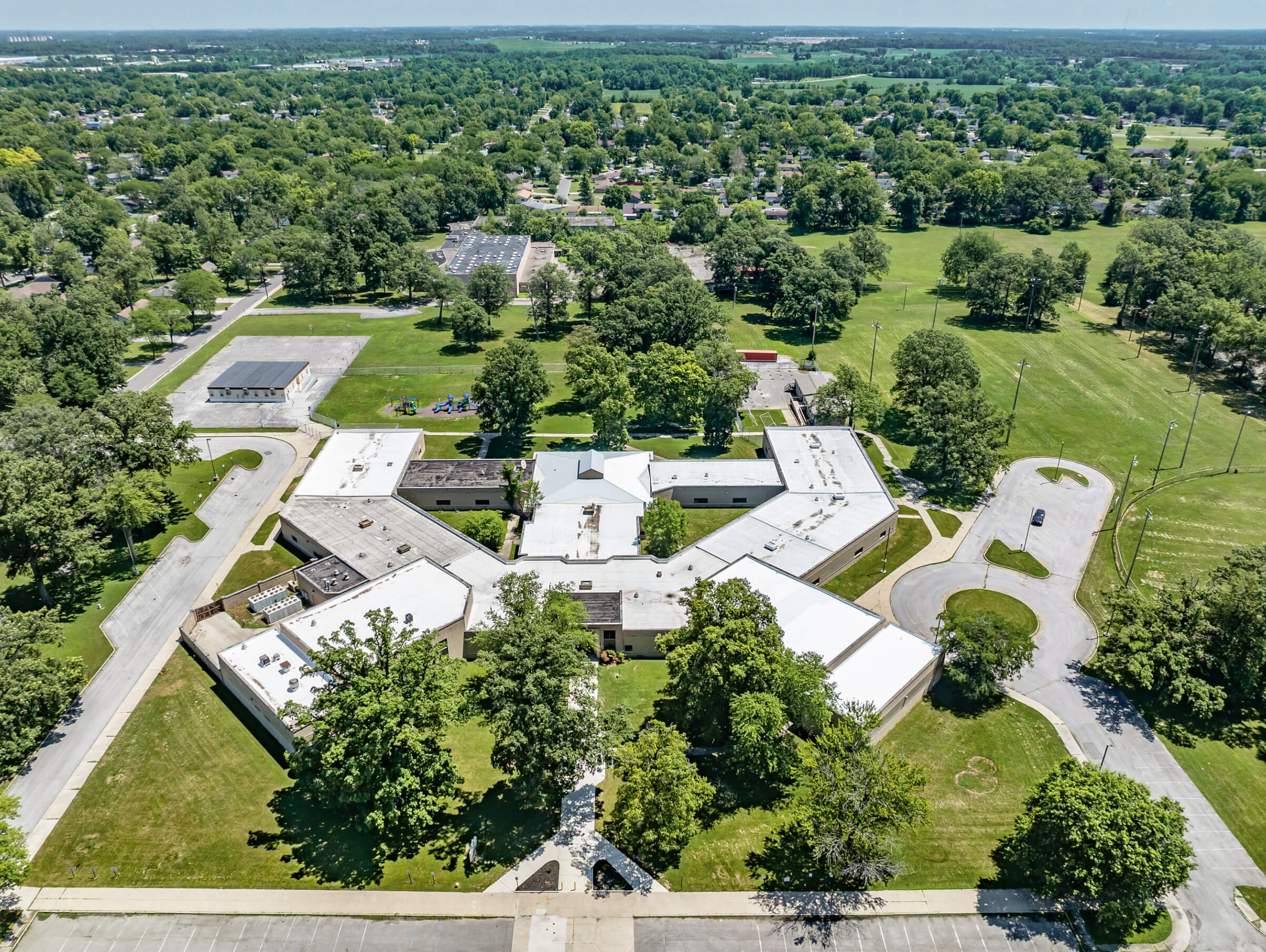
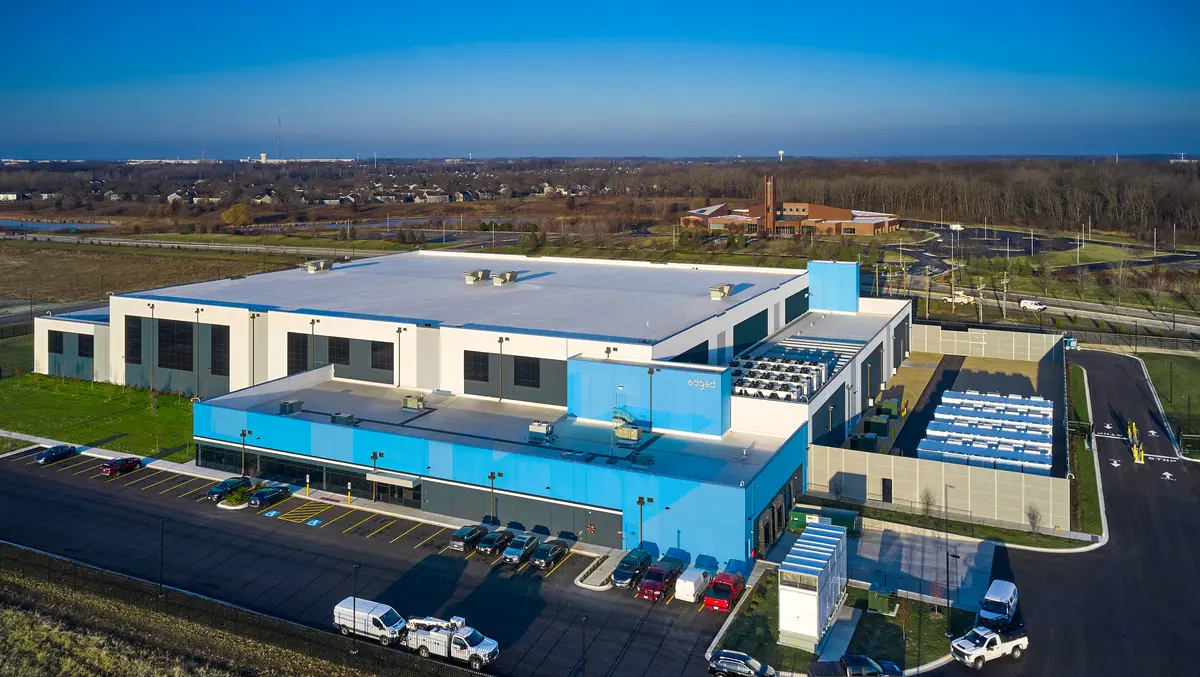
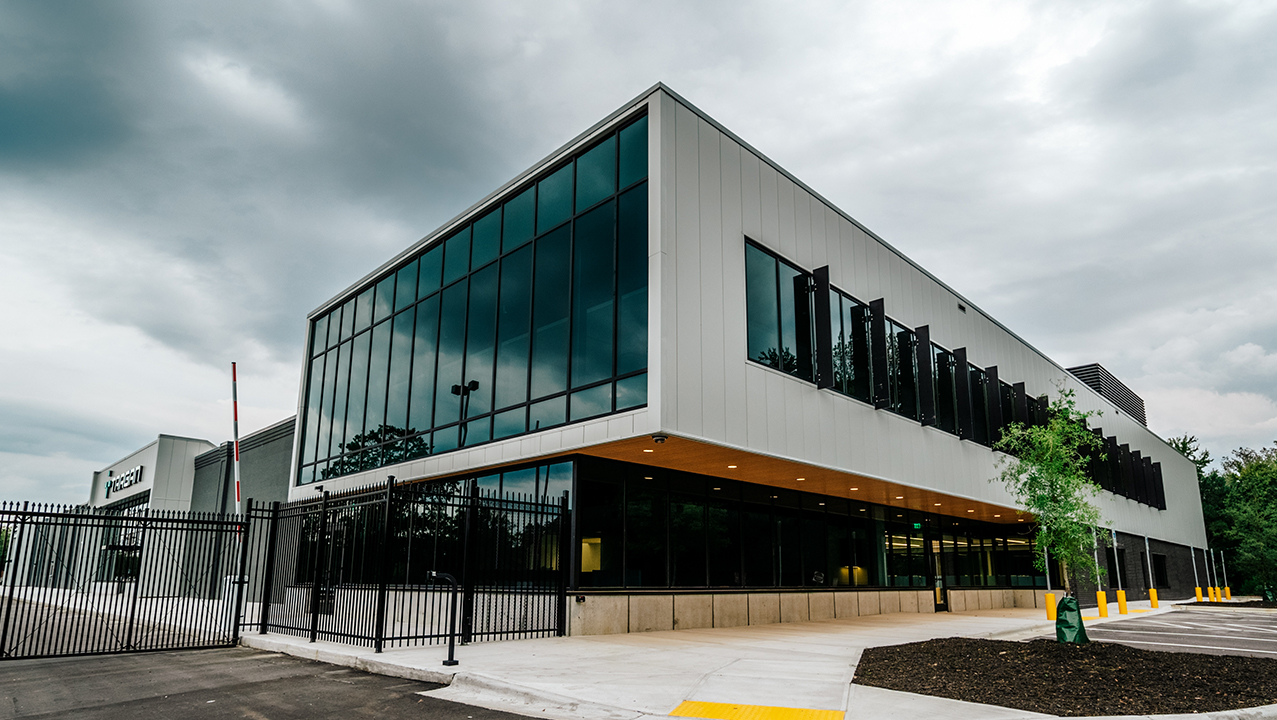
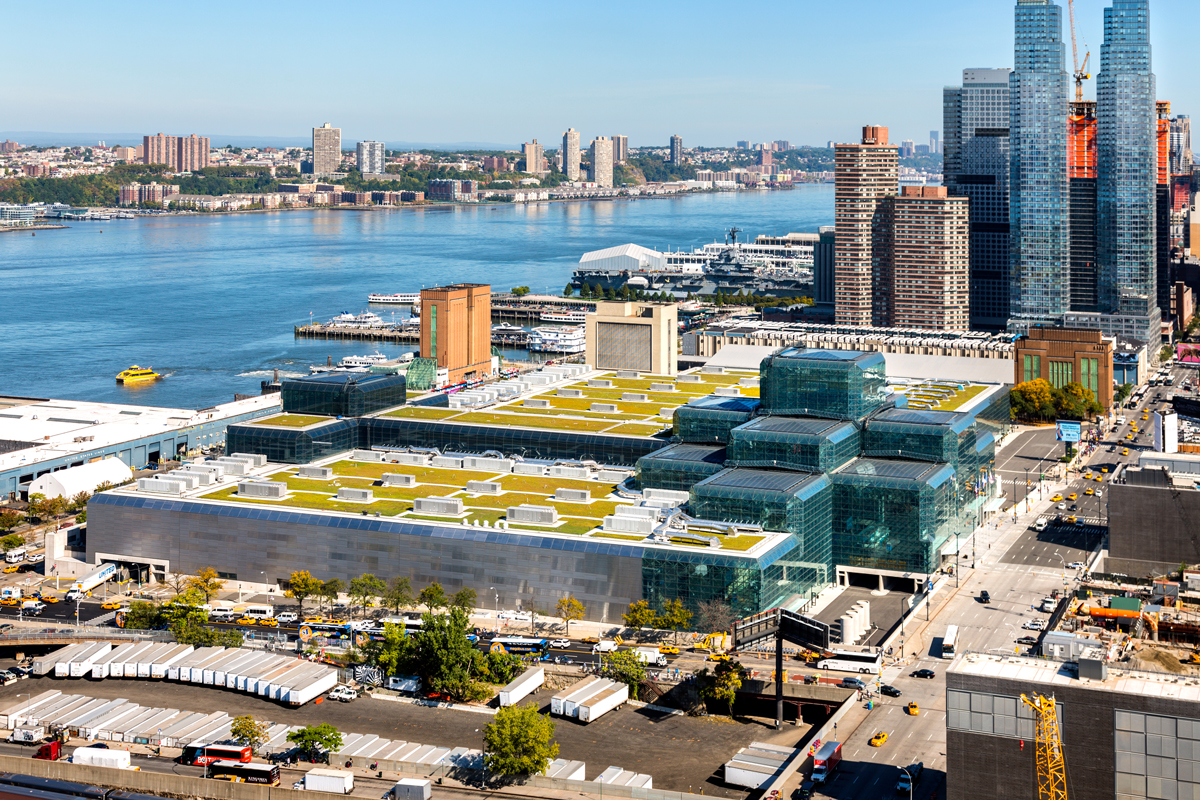
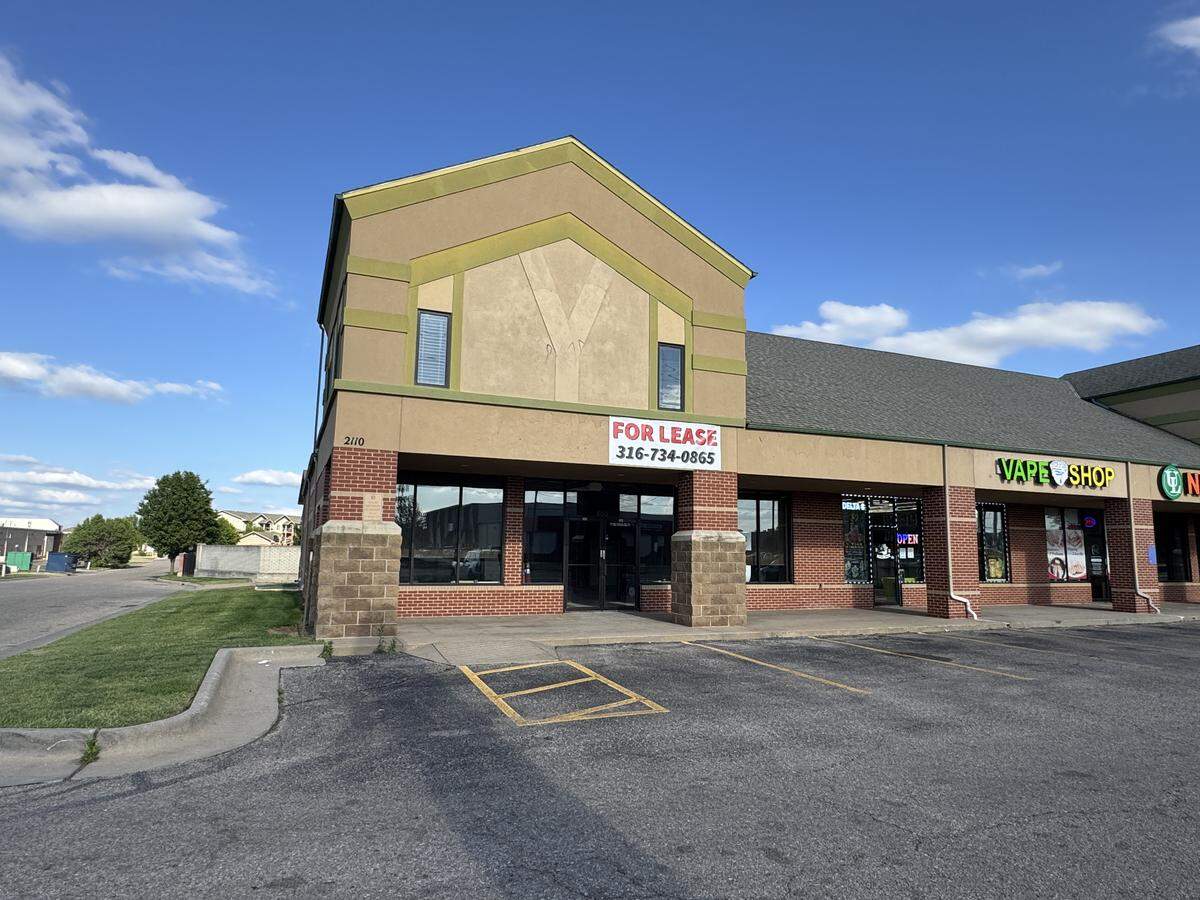
A flex building refuses to be one thing. The same shell might hold a light-manufacturing line in one bay, a distribution operation next door, a contractor's shop, and a tech tenant's lab, and those uses rotate as leases turn over. Each occupancy brings its own rooftop equipment, its own penetrations, and its own tolerance for disruption, and the roof has to perform through all of it. That variability, not any single failure mode, is what defines industrial flex roofing. We approach these buildings expecting the unexpected, because the roof on a multi-tenant flex shell has almost always been modified in ways the property records don't capture.
Portland has a deep supply of this product, and it spans generations of construction. The older flex and light-industrial stock fills the Northwest Industrial District, the Central Eastside, and the Milwaukie and Clackamas industrial pockets, much of it 1970s and 1980s tilt-wall with aging built-up or single-ply roofs. Newer pre-engineered metal and concrete flex parks line the Highway 217 corridor through Beaverton and Tigard, the Tualatin and Wilsonville industrial areas off I-5, and the Sunset corridor out toward Hillsboro. Roof Systemsors and property managers running these as multi-tenant assets need a roof that survives tenant churn, not one tuned to a single occupant who may be gone in three years.
Every time a tenant moves in, equipment goes on the roof. New rooftop HVAC units, fresh electrical and refrigerant runs, exhaust fans, and screening get added, frequently outside the building's original roof-loading plan and almost always without an updated as-built. Years of that activity leave a flex roof carrying a layer of undocumented penetrations, some well-sealed and some not. So we never start a flex reroof from the drawings alone. We run a penetration inventory first: every curb, vent, conduit, and abandoned opening photographed and mapped, compared against original construction documents where they exist, and flagged where a penetration is non-standard or improperly sealed. That survey is what keeps a buried, leaking tenant penetration from turning into a warranty dispute after the new membrane is down.
The riskiest moment in a flex building's life, from the roof's perspective, is a bay going dark. When a tenant vacates and pulls their rooftop units, the curb openings often get capped with temporary protection that doesn't survive Portland's first hard rain. Empty bays also collect debris faster than occupied ones, and clogged drains over a vacant unit can pond and leak unnoticed for weeks because nobody is inside to see the stain. For any building in lease transition we confirm curb-cap status, verify that former-tenant penetrations are properly closed, and clear and check the drains. Catching this at turnover is far cheaper than discovering it when the next tenant's buildout reveals a soaked deck.
The right system depends on the deck and on how much rooftop traffic the building's mix of tenants generates:
Across all of them, positive drainage matters because flex roofs are flat, often neglected between tenants, and sitting under a long rainy season, ponding is both a leak source and an avoidable structural load.
Multi-tenant work runs through property management, not around it. We start from a bay-by-bay occupancy map and lease-contact list, identify which bays have active rooftop equipment, which are vacant, and which tenants are sensitive to noise or HVAC downtime, then build a phasing and daily dry-in plan that keeps each occupied bay watertight as we go. Tenants get advance notice through the property manager and communicate through that channel rather than directly with the crew, which keeps a building full of independent businesses on one coordinated schedule. For roof file owners, we standardize the condition reporting so the same format supports capital planning across multiple flex properties.
We run a penetration inventory before any work: every roof penetration photographed and mapped, compared against original construction documents where available, and flagged where it's non-standard or improperly sealed. Those get remediated before new membrane goes down, which prevents post-completion warranty disputes over a buried, leaking opening.