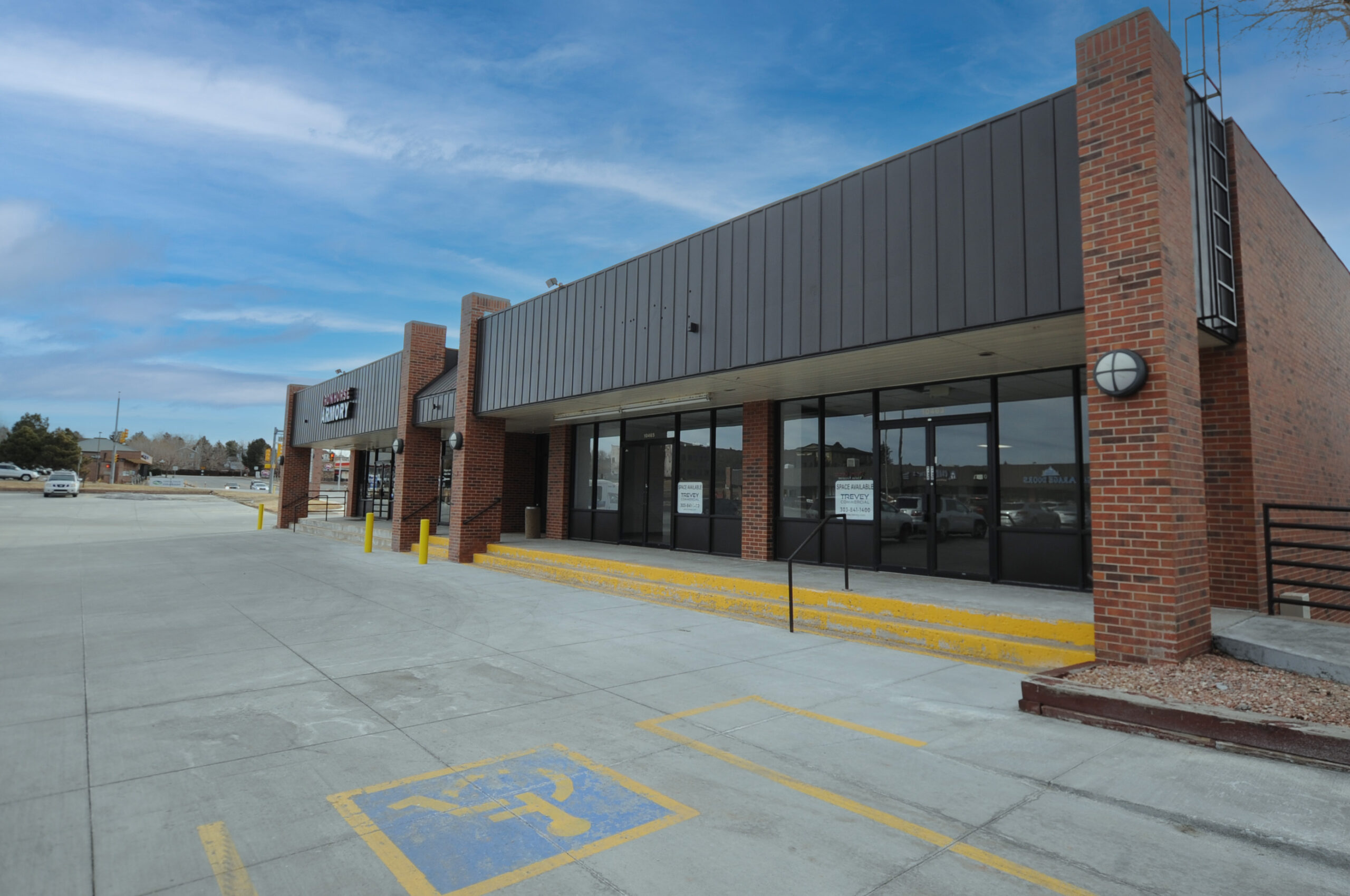
Portland's retail landscape stretches from the dense mixed-use blocks of the Pearl District and NW 23rd Avenue to the strip malls along 82nd Avenue, the power centers in Beaverton near Washington Square, and the neighborhood shopping clusters serving Sellwood, St. Johns, and Outer Southeast. What unites all of these properties from a roofing standpoint is Portland's relentless rain season, October through May delivers a nearly continuous low-level precipitation load that tests drainage systems, seam integrity, and flashing details in ways that a contractor calibrated to drier climates simply won't anticipate. Commercial roofing for retail in Portland means treating every joint, seam, and penetration as a potential entry point for moisture that has nine months of the year to find its way in.
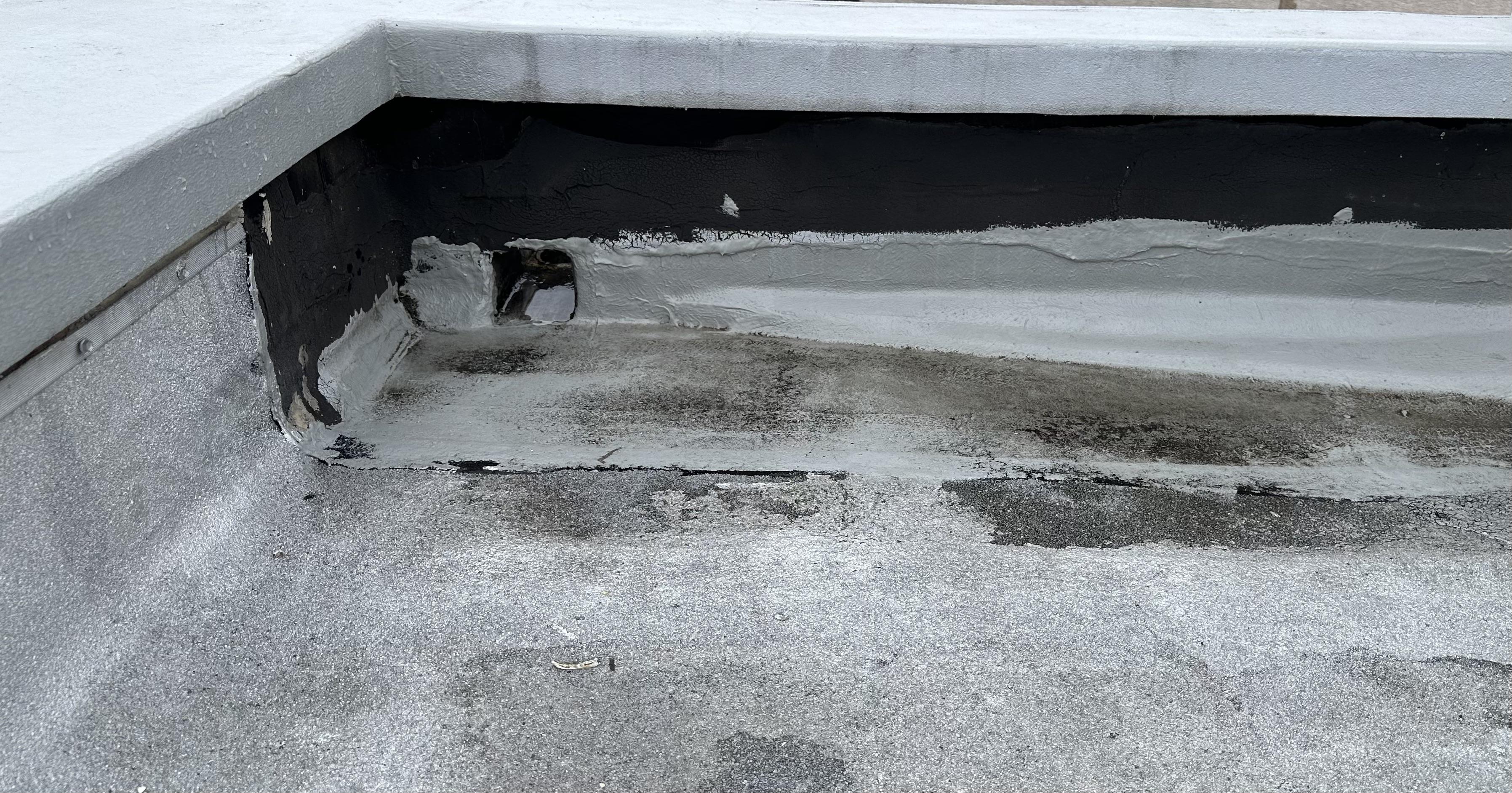
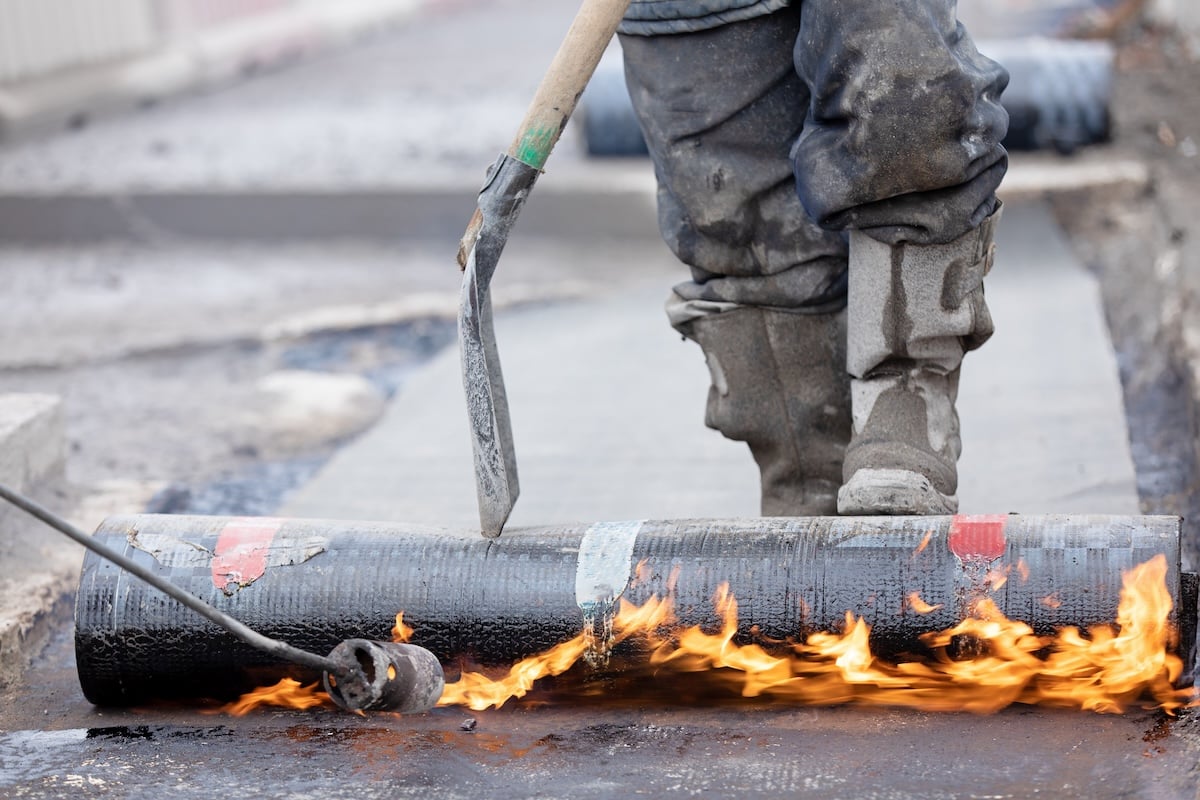
TPO and PVC membranes dominate Portland retail re-roofing projects, with heat-welded seams that close off infiltration pathways far more reliably than adhered or mechanically fastened systems with exposed lap joints. On older Portland strip centers along Barbur Boulevard or the commercial corridors in Gresham, existing EPDM systems have often been in service for 20-plus years and show the characteristic seam separation and flashing deterioration that comes from constant wet-weather cycling. The transition from EPDM to a heat-welded single-ply is a straightforward decision in most cases, the long-term seam performance advantage in Portland's climate is compelling enough to justify the specification.
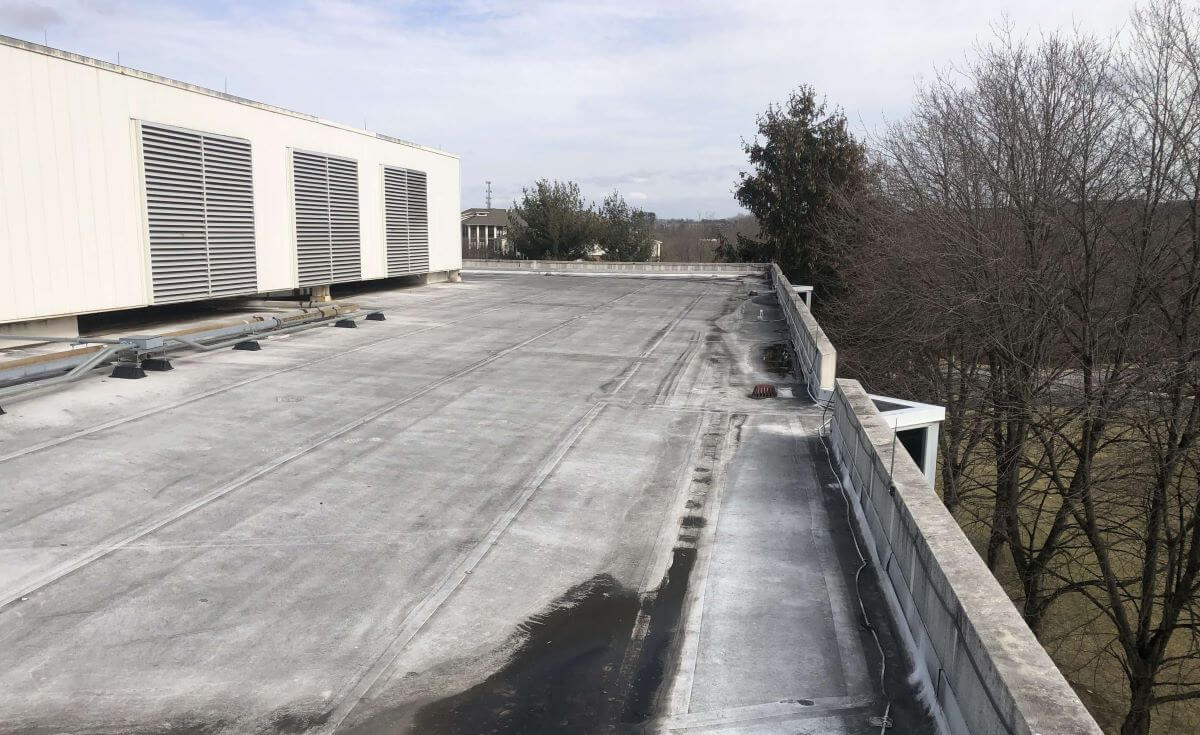
Drainage design for Portland retail roofs requires sizing for sustained multi-day precipitation events, not just peak intensity storms. A Portland winter can deliver 6-8 inches of rainfall across a week-long frontal system, and a flat retail roof with partially blocked internal drains or undersized scuppers will sit with standing water for extended periods. Prolonged ponding on a TPO or EPDM surface accelerates membrane aging and seam stress in ways that a single heavy rain event, which at least drains quickly, typically does not. Drain bowl cleaning, strainer basket inspection, and scupper clearance should be on a documented fall maintenance schedule for every Portland retail property.
Moss and algae growth on Portland retail roofs is a real maintenance issue that most other markets never face. The combination of persistent moisture and moderate temperatures creates ideal conditions for biological growth on any rooftop surface that retains organic debris. Moss in particular causes physical damage, its root systems penetrate membrane seams and drive moisture into the substrate. Algae staining, while primarily aesthetic on the membrane surface, signals moisture retention that should be investigated. Annual biocide treatment and regular debris removal are standard elements of a Portland retail roof maintenance program, not optional add-ons.
Retail tenant disruption management during roofing projects in Portland has a Pacific Northwest dimension: the rain window is essentially year-round, and there is no dry-season break when extended open-roof conditions are low risk. Experienced Portland retail roofing contractors work in partial-width strips, exposing, installing, and sealing no more membrane area than can be completed and made watertight in a single work day. Temporary cover protocols for in-progress areas are more sophisticated here than in drier markets because an unexpected November rain event while a section of the Beaverton strip center roof is partially open can cause significant tenant damage. Pre-project weather monitoring and flexible daily scheduling are standard practice.
HVAC penetrations on Portland retail buildings have a moisture management dimension specific to the climate. The high ambient humidity means that any rooftop unit that is not perfectly flashed and maintained creates a condensation pathway even if it's not actively leaking from above. Curb heights must clear the standing water level that accumulates on the roof during heavy rain, and the counter flashing at the top of each curb must be sealed against the driven horizontal rain that Portland's wind-assisted storms deliver. Older retail properties in the Portland metro often have curbs that were adequate for the original roof thickness but are now below minimum height after decades of overlay roofing raised the membrane field level.
Portland's retail real estate community includes a significant number of locally owned and operated strip centers and neighborhood commercial properties, particularly in the inner east side neighborhoods and along the outer SE and NE corridors. These owners tend to be more directly engaged in roofing decisions than institutional landlords, and they benefit from contractors who communicate clearly about project scope, cost, and timeline without assuming the owner has commercial property management expertise. Explaining why tapered insulation improves drainage rather than just specifying it, or walking a landlord through why a tear-off is necessary rather than another overlay, builds the trust that sustains long-term relationships in a relationship-driven local market.
The Washington Square-area power centers in Beaverton and the Lloyd District retail corridor on the east side of the Willamette serve major national retailers whose lease provisions on roofing are detailed and specific. Nike, REI, and the grocery anchors common to Portland-area retail often have sustainability-focused specifications that prefer certain roofing products, mandate specific minimum R-values for roof insulation, or require documentation of material recycled content. Portland's strong sustainability culture has also driven some landlords to pursue ENERGY STAR certification for their roofing systems, which requires reflective membrane specifications and documentation of installation quality.