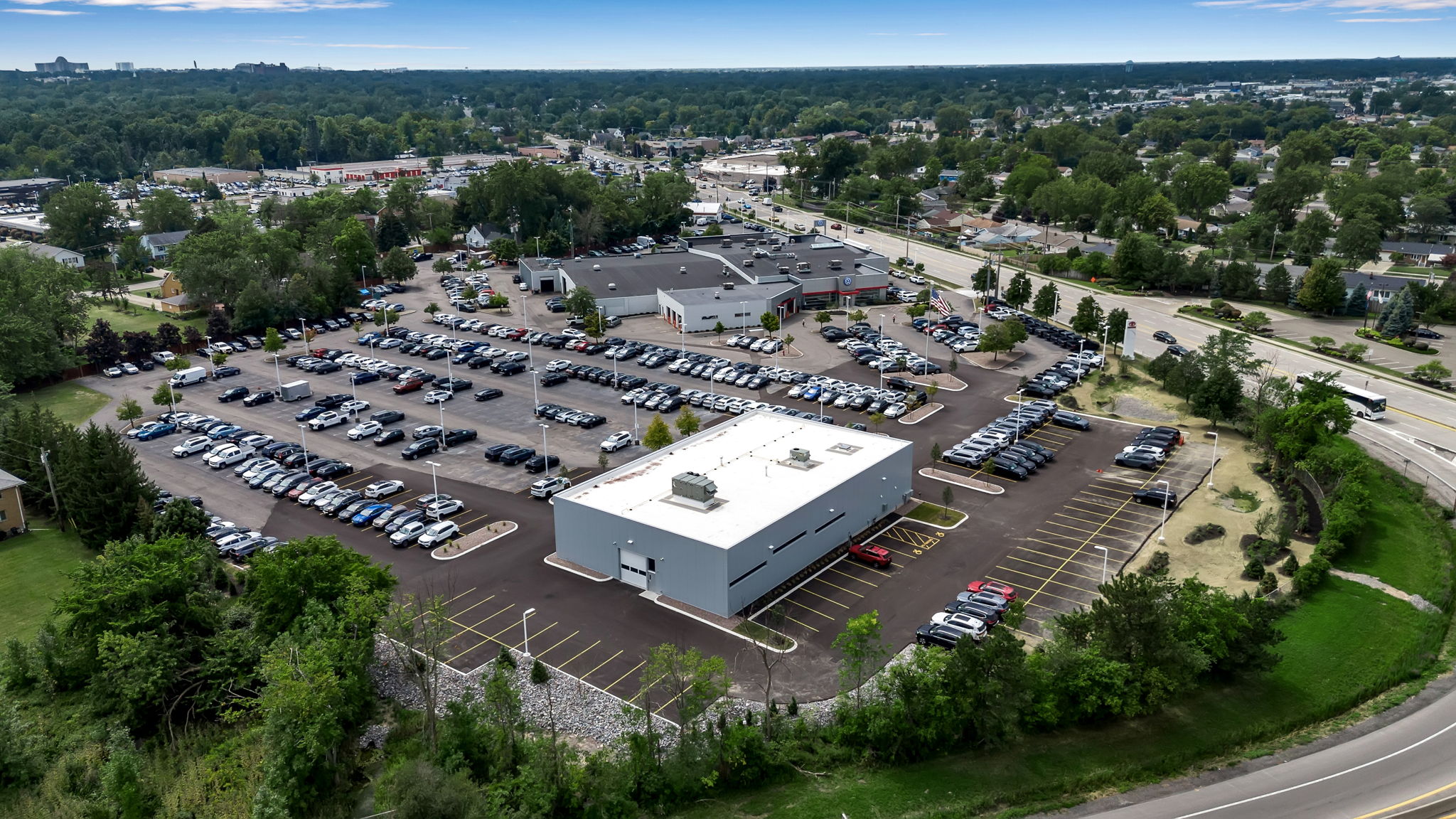
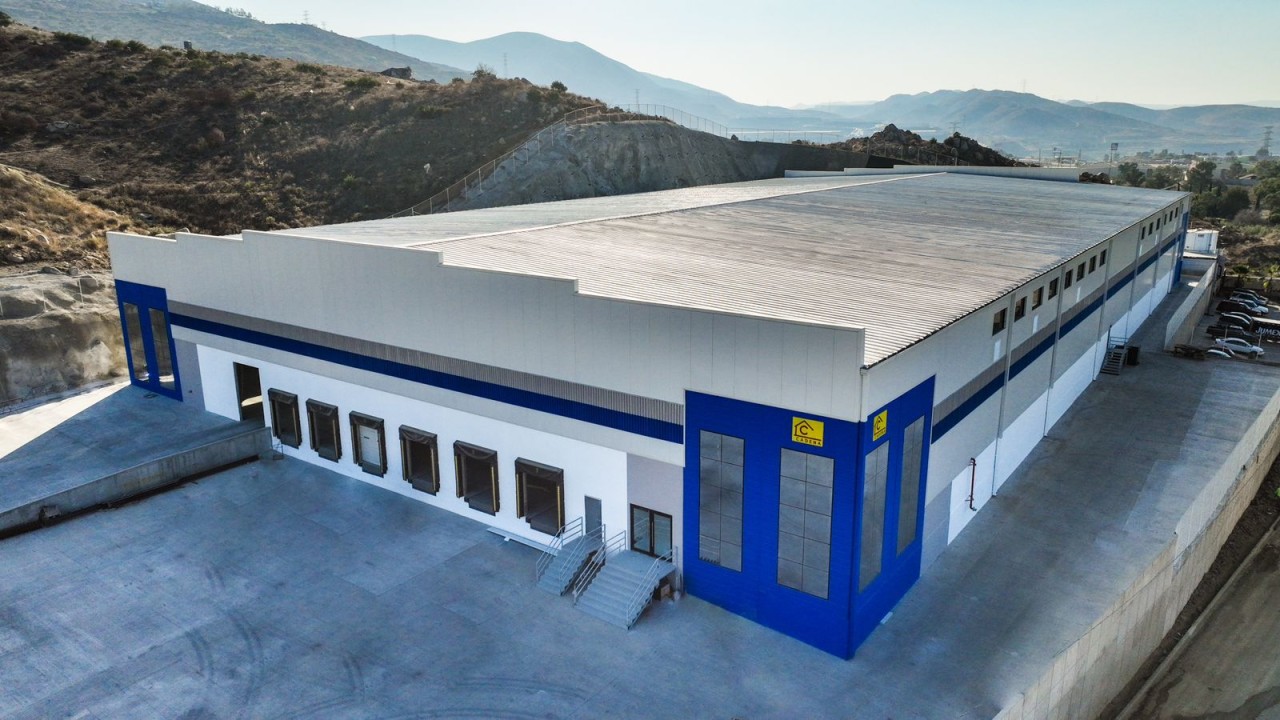
A photovoltaic array bolts a thirty-year electrical system onto a roof membrane that, on many Portland buildings, has nowhere near that much life left. That gap is the entire reason a building owner should bring a roofer to the table before the solar contract is signed, not after the first leak shows up under a thousand panels. We field these calls from owners across the Columbia Corridor logistics buildings, the manufacturing flats on Swan Island, and the retail boxes near Cascade Station: a developer modeled an attractive return, nobody scrutinized the roof, and now the array sits on a membrane that needs to come off.
We do not sell panels or model kilowatt-hours. We protect the roof the array depends on. Treating solar as a roofing decision first means the deck below is sound, the membrane's service life is honestly matched to the array, and every racking foot, conduit run, and ballast block is detailed so the roof warranty survives the work. Get that order right and the solar installer does clean work on a roof that lasts; get it wrong and the owner pays to remove and reset the array years early.
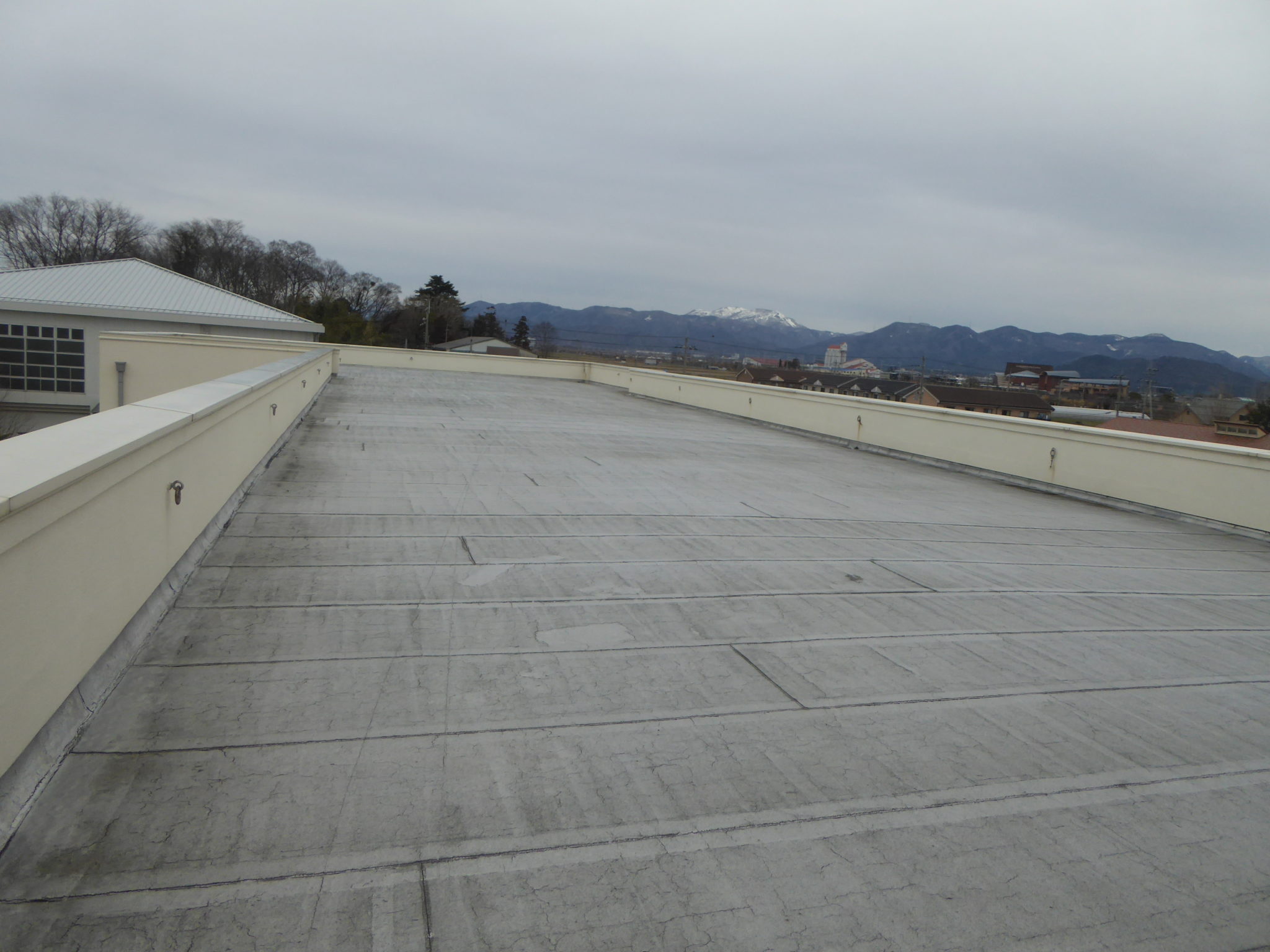
Before anyone talks watts, we core the existing roof and pull whatever service history exists. The membrane's remaining life decides everything downstream. A TPO or PVC field with most of its twenty-year span ahead of it can reasonably carry an array. A tired EPDM roof with seams beginning to fishmouth and seven or eight years of practical life left is a financial trap under panels, because lifting and reinstalling a commercial array during a future tear-off is one of the most expensive line items in the trade, and that bill lands on the owner.
We give a straight answer in one of three directions: reroof now and let solar follow onto a fresh substrate, install on the existing roof because it genuinely has the life to carry the system, or stage a simultaneous reroof-and-solar project so the crews coordinate and the owner pays for one mobilization. Membrane compatibility also drives the attachment method, because a fully adhered system, a ballasted layout, and a mechanically attached field each interact with the racking differently. The wet Pacific Northwest winter is unforgiving on a roof that has aged out, and we would rather deliver the hard truth at the proposal stage than chase a leak under an array two seasons later.
Every solar approach loads the roof, and the structure has to accept that load before anything else matters. Ballasted racking is the common choice on the low-slope roofs across the Rivergate and Brooklyn rail-yard industrial pockets because it avoids penetrations, but it earns that by stacking concrete pavers across the field. We check the added dead load against the building's original structural design, and on the older mid-century warehouses around inner Southeast that margin is often thinner than people assume. A roof framed decades ago for a lighter snow load may not welcome forty-plus extra pounds at each panel position without a structural engineer signing off.
Uplift is the other half of the equation. East winds funnel out of the Columbia River Gorge straight into the metro area, and an array is a field of small sails. Ballast counts must be calculated for the specific site's wind exposure, with edge and corner zones carrying heavier ballast or supplemental attachment than the interior field. Where ballast alone cannot hold the array within the structural budget, we move to a mechanically anchored or hybrid system, trading ballast weight for membrane penetrations. That call is driven by the building and the wind map, not by whichever racking product a vendor prefers to ship.
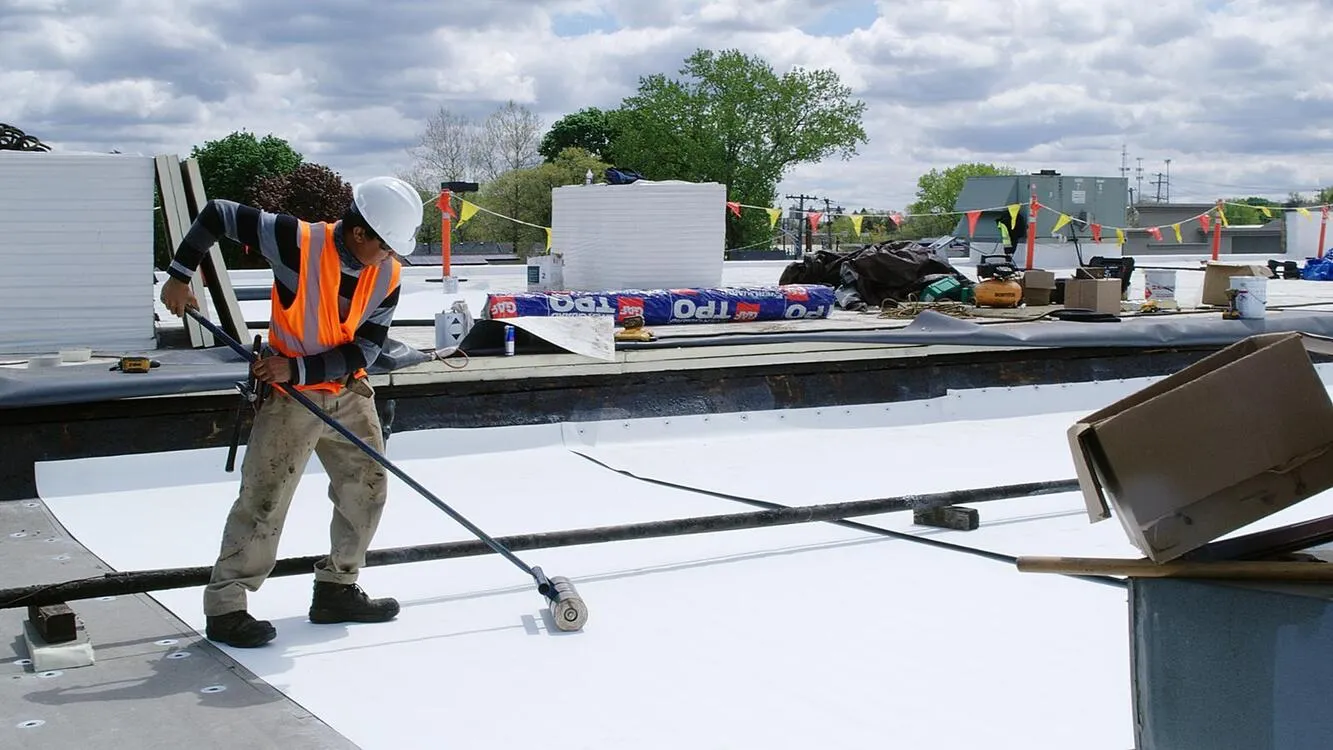
When an attachment-based system is the right answer, every racking foot becomes a hole through a watertight membrane, and that is precisely where these projects fail. We will not let a solar crew drive stanchions through a roof and caulk the result. Each penetration gets a proper flashing detail built to the membrane manufacturer's specification, the same standard we hold on any pipe or curb. On a TPO or PVC field that means a hot-air-welded target patch and a manufacturer-approved post base, not a bead of sealant that gives up at the first freeze-thaw cycle in a Portland winter.
Conduit is the quieter culprit. The DC and AC runs from the array down to the building's electrical service usually cross the roof, and if the solar electrician fastens raceway straight to the membrane, the metal abrades the surface every time it expands and contracts through the temperature swing. We plan the conduit route with the installer before a single strut goes down, set the run on approved standoffs that hold it off the membrane, and flash any roof penetration with a molded boot or proper pitch pan rather than a generic detail. These are the points that become after-hours service calls, and they are entirely preventable with sequencing.