Affordable Self Storage operates well-regarded facilities in the Portland metro area, including locations in the Lents neighborhood and near the Sellwood Bridge, serving a customer base that ranges from downsizing homeowners to small businesses storing seasonal inventory. Commercial roofing for self-storage in Portland, Oregon is shaped above all else by the region's extraordinary rainfall regime: Portland receives over thirty-six inches of precipitation per year, concentrated almost entirely in a long wet season that stretches from October through May, with stretches of continuous overcast and drizzle that can go on for weeks at a time without a significant dry interval.
Rain management is the defining engineering challenge for every Portland self-storage roof. Unlike a climate where rain events are short and intense, Portland's wet season delivers moisture in extended low-intensity events that can saturate any poorly detailed assembly over time. Primary drains must be correctly pitched, secondary overflow drains must be sized conservatively, and every penetration, flashing, and termination must be detailed to shed water continuously for months at a time without any opportunity for drying. We specify modified bitumen and TPO systems with factory-certified seams and extended membrane lap widths that exceed minimum requirements, giving Portland roofs the additional redundancy their climate demands.
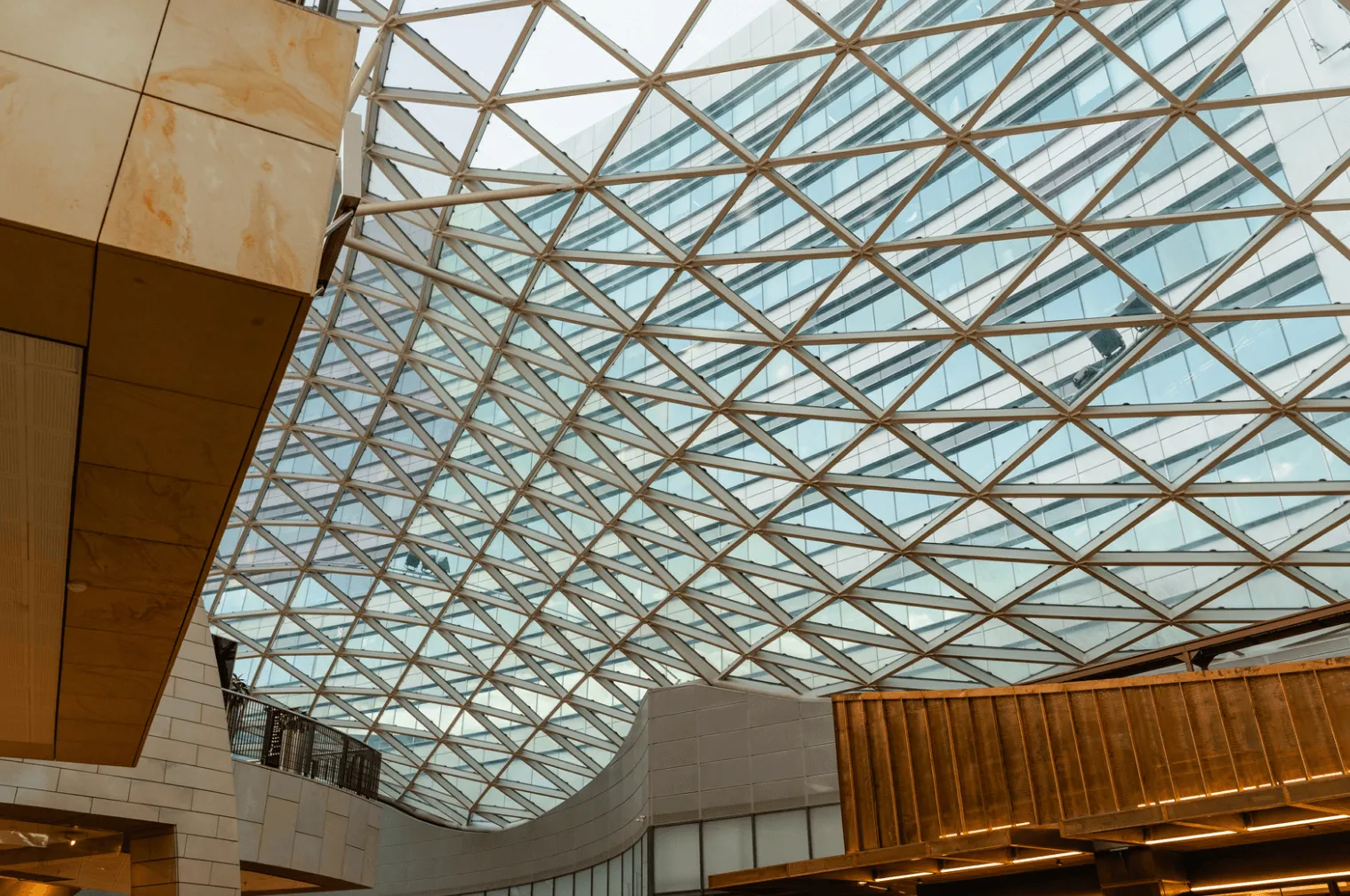
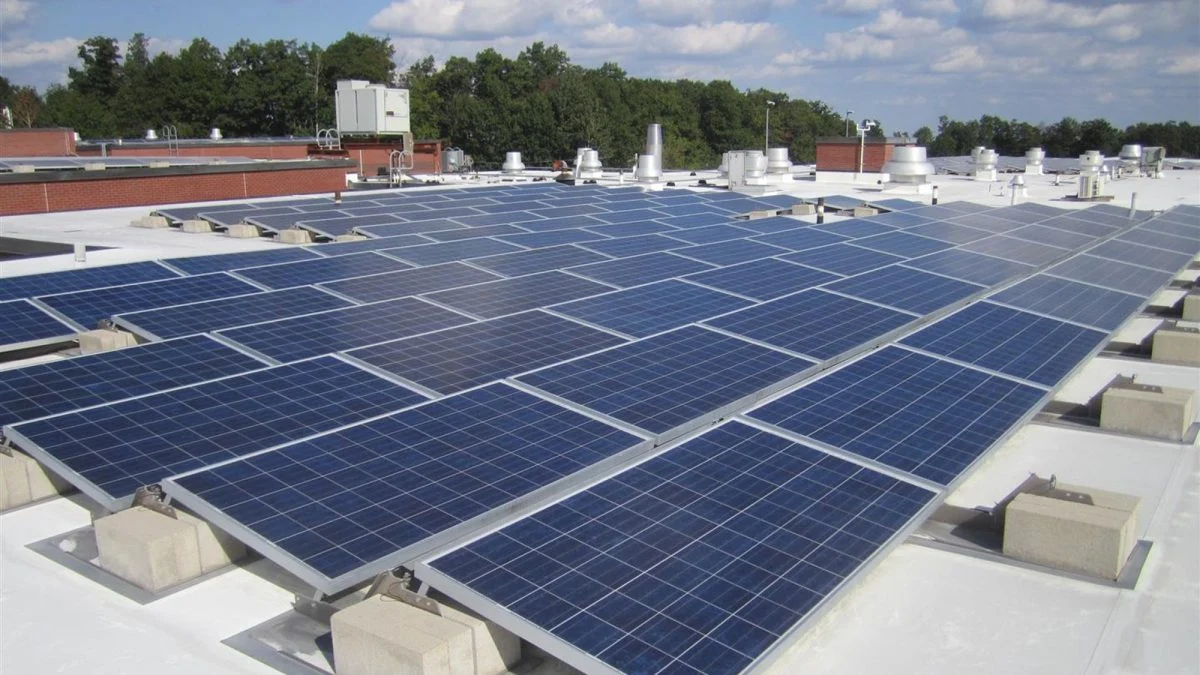
Green building expectations in Portland are among the highest of any American city. The Oregon Department of Environmental Quality, Portland's Bureau of Development Services, and the region's sustainability-minded commercial tenants and building owners all bring pressure on building owners to operate more responsibly. For self-storage operators, this translates to opportunities: cool-roof membranes that qualify for Energy Trust of Oregon rebates, vegetative roof assemblies on building sections that can support the load, rainwater harvesting systems that collect and reuse roof runoff, and daylighting via translucent ridge panels that reduce lighting energy in drive-up aisles. We design these features as integrated systems rather than add-ons.
Portland's seismic zone designation, the city sits in a region of meaningful earthquake risk due to the Cascadia Subduction Zone, adds a structural dimension to roofing decisions that storage operators sometimes overlook. Roof assemblies add dead load to buildings, and heavier systems like conventional BUR with gravel ballast can reduce a structure's seismic performance. We favor lightweight fully adhered systems that minimize added mass while maintaining the waterproofing performance Portland demands.
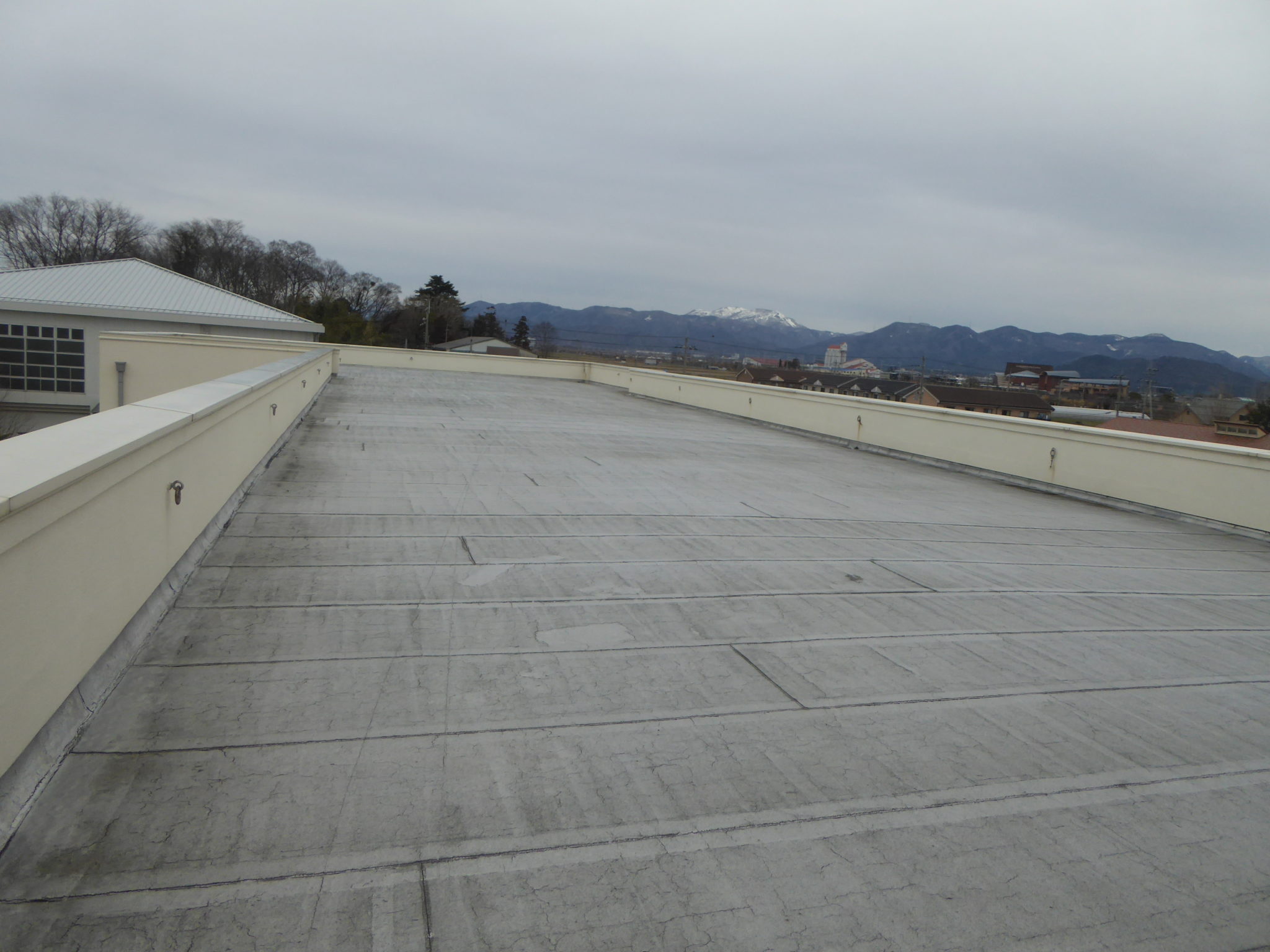
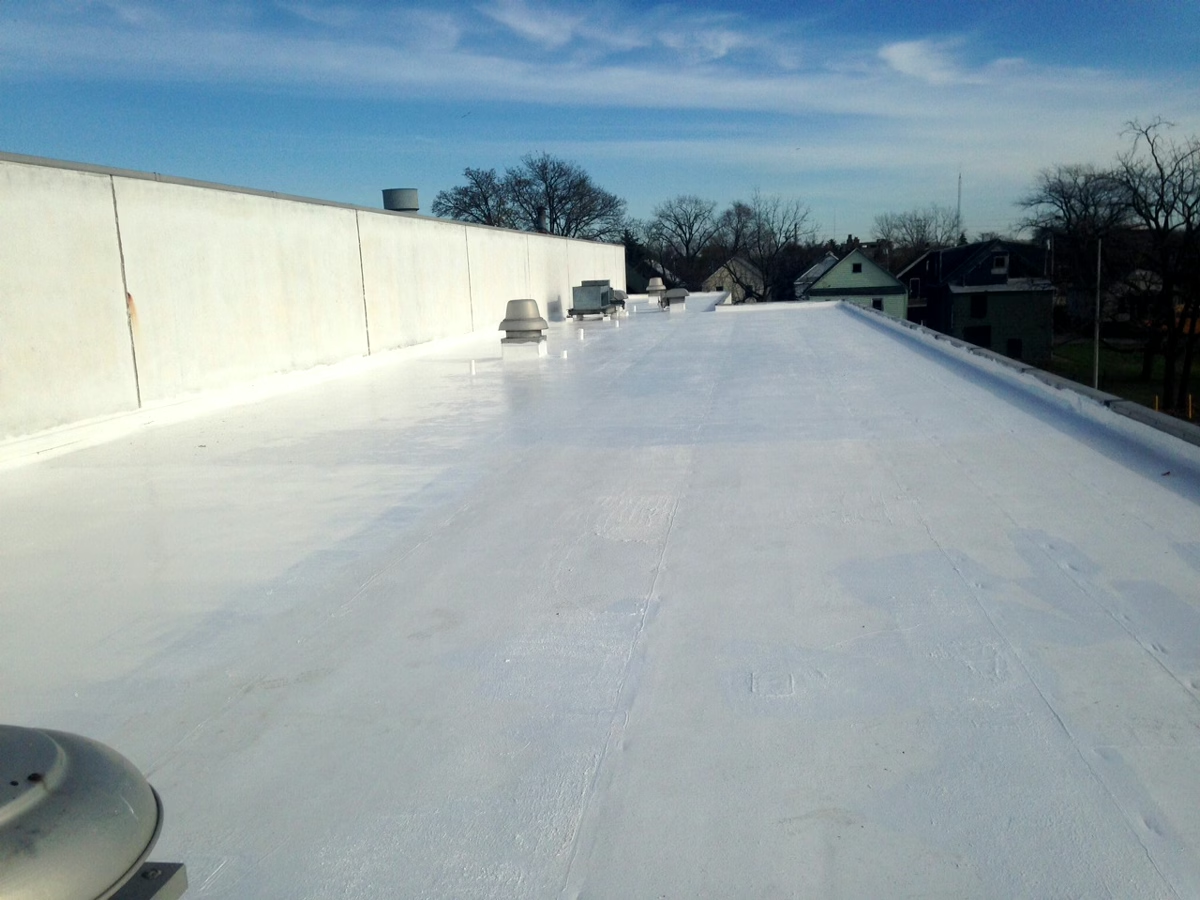
Self-storage buildings in Portland are often located in industrial neighborhoods that are undergoing rapid conversion to mixed use. This creates an environment where a facility's visual appearance matters more than it once did. We offer white and light gray TPO systems with clean sight lines, coordinated metal edge profiles, and parapet cap details that present a professional appearance consistent with neighboring redevelopment. A well-maintained, attractive-looking roof also signals to customers that the operator takes property upkeep seriously, a meaningful factor in a competitive storage market.
Tenant protection in Portland's climate requires particular attention to the connection between roof performance and interior humidity. Extended wet-season conditions create ambient moisture levels that permeate buildings even without active roof leaks. Vapor retarder placement within the roofing assembly must be designed for Portland's climate zone to prevent interstitial condensation that can degrade insulation and support mold growth over years of occupancy. We review vapor management as part of every re-roofing proposal for Portland facilities.
Re-roofing in Portland often means working through the wet season, since waiting for dry summer months may delay necessary repairs past the point of acceptable risk. Our Portland crews use temporary waterproofing covers, phased section work, and rapid-cure detailing products that allow work to proceed during light rain. We never leave an open roof surface unprotected overnight, and our project managers monitor forecasts daily to sequence work around significant rain events.
Maintenance programs for Portland self-storage roofs should include twice-annual gutter and drain cleaning, fall to clear leaf accumulation before the wet season, spring to remove debris accumulated over winter. Moss and algae growth on north-facing roof surfaces are a Portland-specific maintenance issue that can be managed with biocide treatment strips at the ridge, preventing the root penetration that shortens membrane life on roofs that do not receive direct sun to inhibit biological growth.