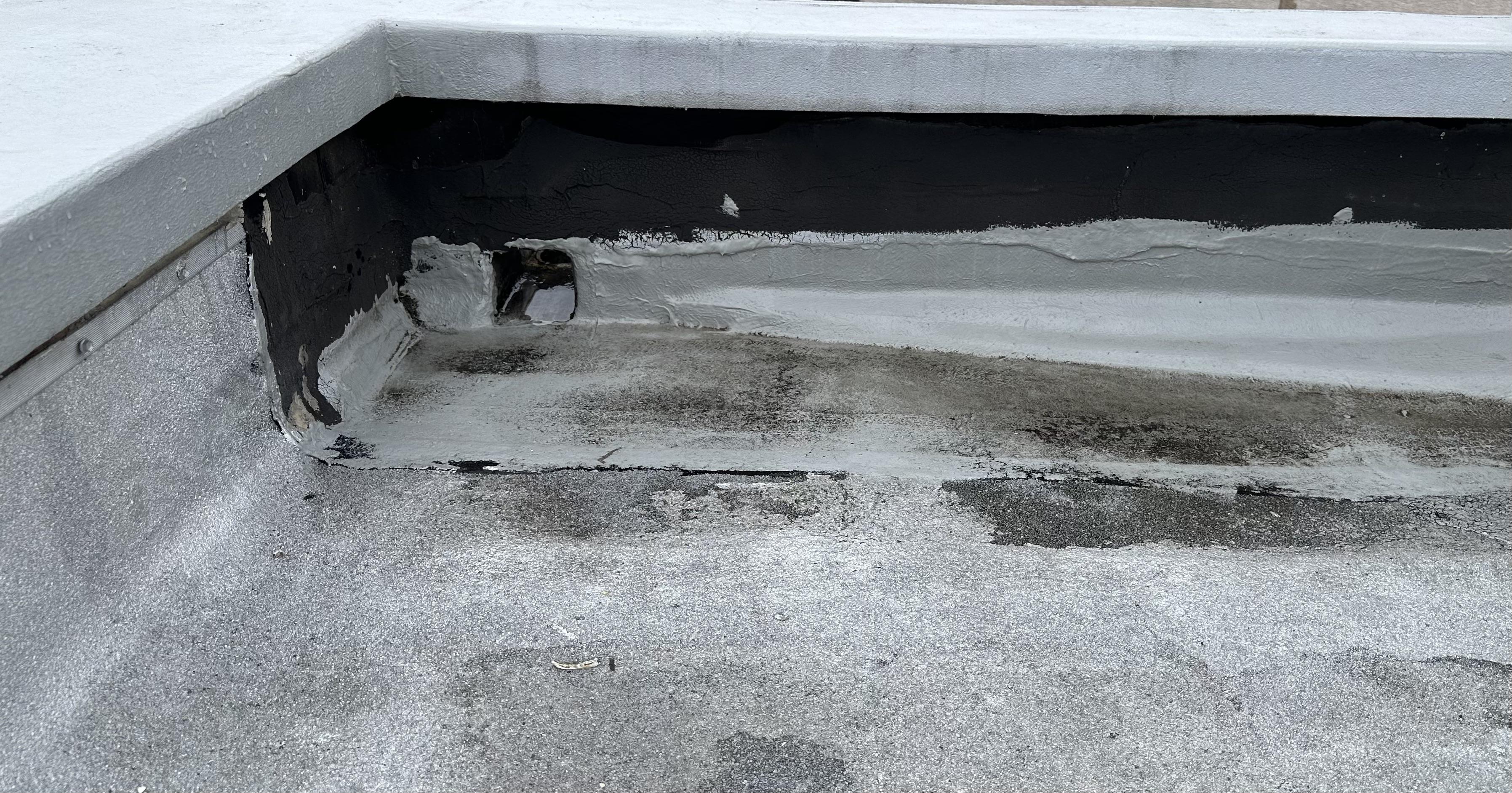
Do not force different roof systems into one repair assumption
A detail that is repairable on Spray Polyurethane Foam may require different preparation or materials on Silicone Roof Coating or Built Up Asphalt. Existing layers, surfacing, attachment, and earlier repair products matter before new materials are selected. The scope should name the membrane or surface that was actually observed, identify unknown construction, and check compatibility before mastics, primers, membranes, or coatings are specified. Core information may be necessary when layers and attachment affect the option set. The final comparison should show which materials can accept repair or restoration, which areas need removal, and which unknowns could change the scope. Product preference comes after those conditions are established.
Keep the occupied building in the scope
A technically correct detail is only part of the job at Portland properties such as Retail Chain Operators, Government Public Sector, and Insurance Restoration. The plan also has to protect people, inventory, equipment, and normal access below the roof. Access and protection notes should cover ladders or hatches, staging, falling-object zones, odor and noise, equipment clearances, daily cleanup, weather stops, and the rooms directly below openings or test cuts. Wet-weather work may stop at stabilization because permanent materials need a clean, dry substrate and a workable forecast. Daily closeout should state what was opened, completed, and left under temporary protection.
Use condition thresholds instead of sales pressure
The recommendation must answer whether cleaning is enough, whether a drain or flashing detail needs repair, or whether chronic slope and capacity problems require redesign. An isolated repair, repair program, restoration, recover assembly, and full replacement solve different condition patterns and should not be presented as interchangeable price levels. Decision thresholds include moisture extent, remaining secure attachment, deck condition, prior repair performance, drainage, assembly compatibility, operational risk, budget timing, and the period the owner expects the roof to remain in service. Ownership should be able to see why a roof can be maintained, why it qualifies for restoration, or why removal is necessary. The report earns that conclusion through field evidence rather than sales urgency.
Carry today's evidence into the next roof decision
The practical handoff is a roof-condition review that connects drainage failures to membrane and insulation performance. The next person should receive the property address, roof-area identifiers, contacts, access notes, photographs, temporary measures, completed work, open recommendations, and timing. For one building, that history makes the next visit faster and reveals whether a repair held. Across a portfolio, it lets ownership rank roofs by condition, operational risk, repair spending, and capital timing instead of reacting to the newest ceiling stain. Commercial Roofing Contractors of Portland can keep inspection and maintenance active while repair, restoration, or replacement moves through a separate project opportunity. The path remains response, evidence, the right scope, closeout, and the next scheduled roof decision.
Give the first call enough information to work
The first conversation about slow roof drains, blocked strainers, backed-up leaders, leaking drain bowls, undersized scuppers, missing overflow paths, or ponding that remains after rainfall should establish the Portland property address, contact on site, roof-access method, affected interior area, when water was first observed, whether entry is active, and any immediate safety concern. If the building has prior reports, warranties, repair invoices, roof plans, or known drain locations, those records can shorten the investigation. They should be treated as history to verify, not as proof that the present failure has the same cause. Clear intake notes reduce wasted roof time and prevent the handoff from losing urgent details. They also create the first event in the roof history that later inspections and repair records can reference.
Make allowances and exclusions visible
The owner should see the boundary between the base scope and contingent work. That includes moisture limits, substrate repair, additional layers, damaged deck, blocked piping, inaccessible details, hazardous materials, and work by other trades. Schedule assumptions also belong beside price: weather windows, material lead time, permits, shutdowns, tenant coordination, daily dry-in, and access restrictions. An unexplained low number can become an expensive sequence of changes if these constraints are omitted. Closeout requirements should be priced as part of the work: final photographs, repair locations, warranty or material records, open punch items, and the next recommended inspection. Those documents keep the completed scope connected to the roof plan.
Connect the roof problem to the building and weather
Portland, OR roofs work through extended wet periods, wind, seasonal debris, cool-weather installation limits, and recurring drainage demand. That exposure guides the field sequence, but it does not by itself explain slow roof drains, blocked strainers, backed-up leaders, leaking drain bowls, undersized scuppers, missing overflow paths, or ponding that remains after rainfall. The review should connect the time and location of water entry with roof zones, elevations, drainage paths, and construction transitions. That map helps distinguish one isolated defect from several conditions activated by the same rainfall. A useful report does not hide uncertainty. It names the unverified areas, explains why they were inaccessible, and states which follow-up observation or test would resolve the question.
What the field record must establish
The core deliverable is a record of water depth and duration, debris, drain and scupper condition, membrane terminations, interior staining, discharge restrictions, roof slope, overflow provisions, and repeated ponding locations. Commercial Roofing Contractors of Portland should be able to hand that record to ownership, a facility manager, or another contractor without a separate verbal explanation. During the visit, the technician should follow water from the roof field through low points, sumps, drain bodies, clamping rings, scuppers, leaders, overflow openings, and safe discharge points. Wide views, detail views, measurements, markings, and interior references make the findings reproducible instead of dependent on memory. Observed facts, recommended actions, completed work, and open items should never share one unlabeled list. Separating them lets an off-site approver see exactly what was authorized and what still needs a decision.
Portland decision checklist
- Map the interior symptom to a named roof area before selecting a repair detail.
- Record temporary measures separately from permanent work and list every open item.
- Verify drainage, penetrations, walls, edges, earlier repairs, and transitions around the affected area.
- State the observed roof assembly, unknown construction, access limits, and testing assumptions.
- Connect the recommendation to repair, restoration, replacement, maintenance, or capital-planning thresholds.
- Set the next inspection or follow-up date so the roof history continues after this visit.