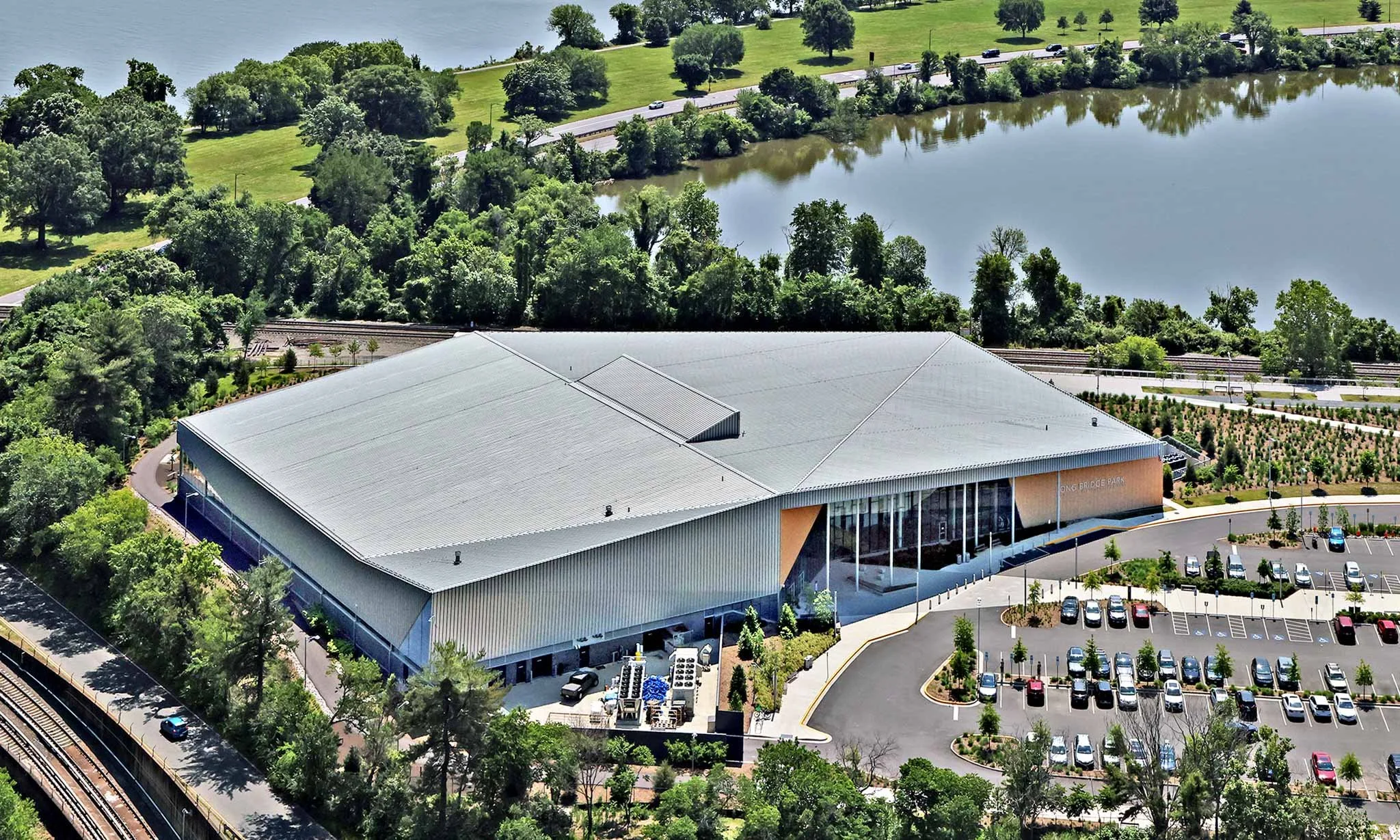
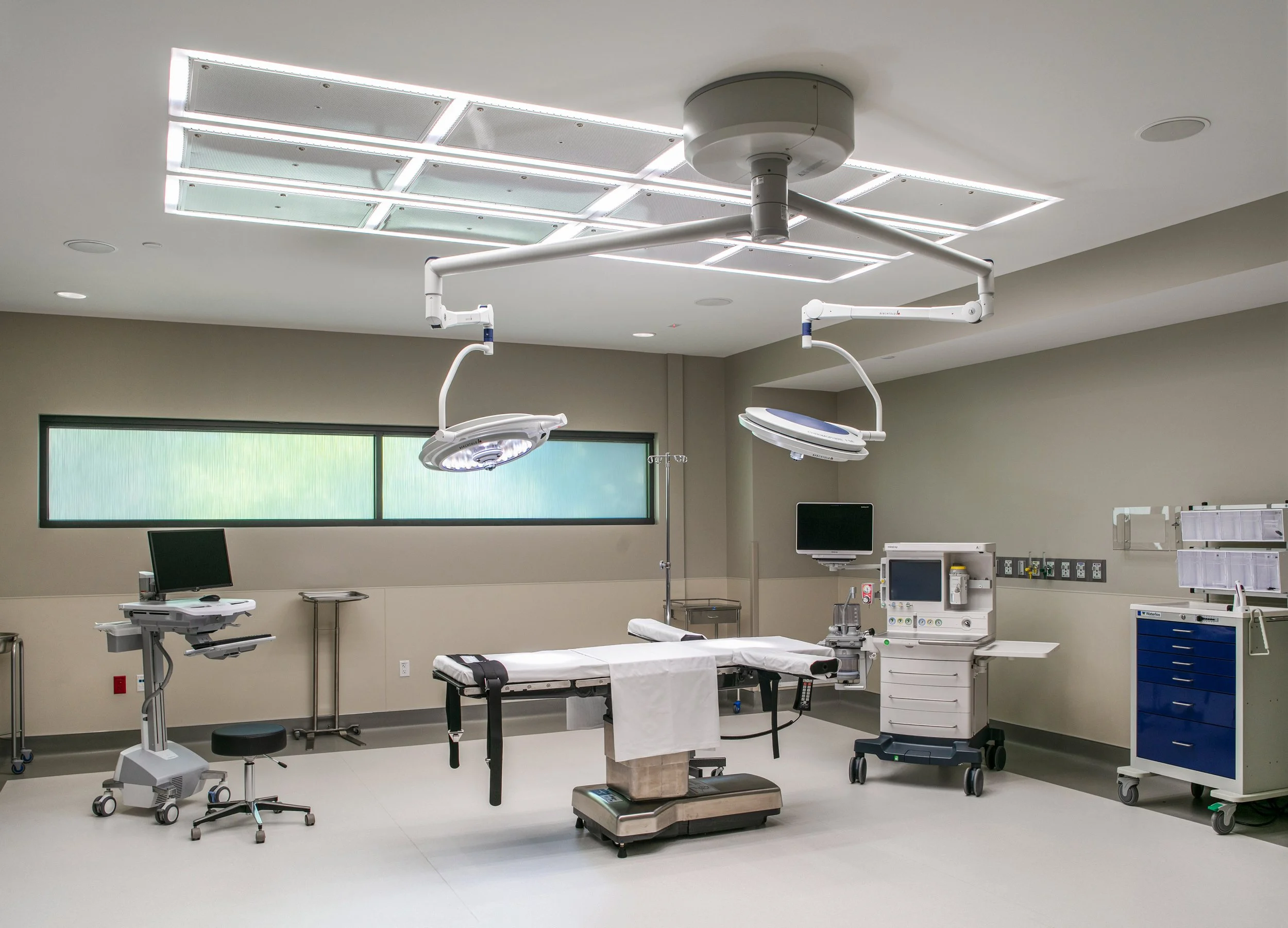
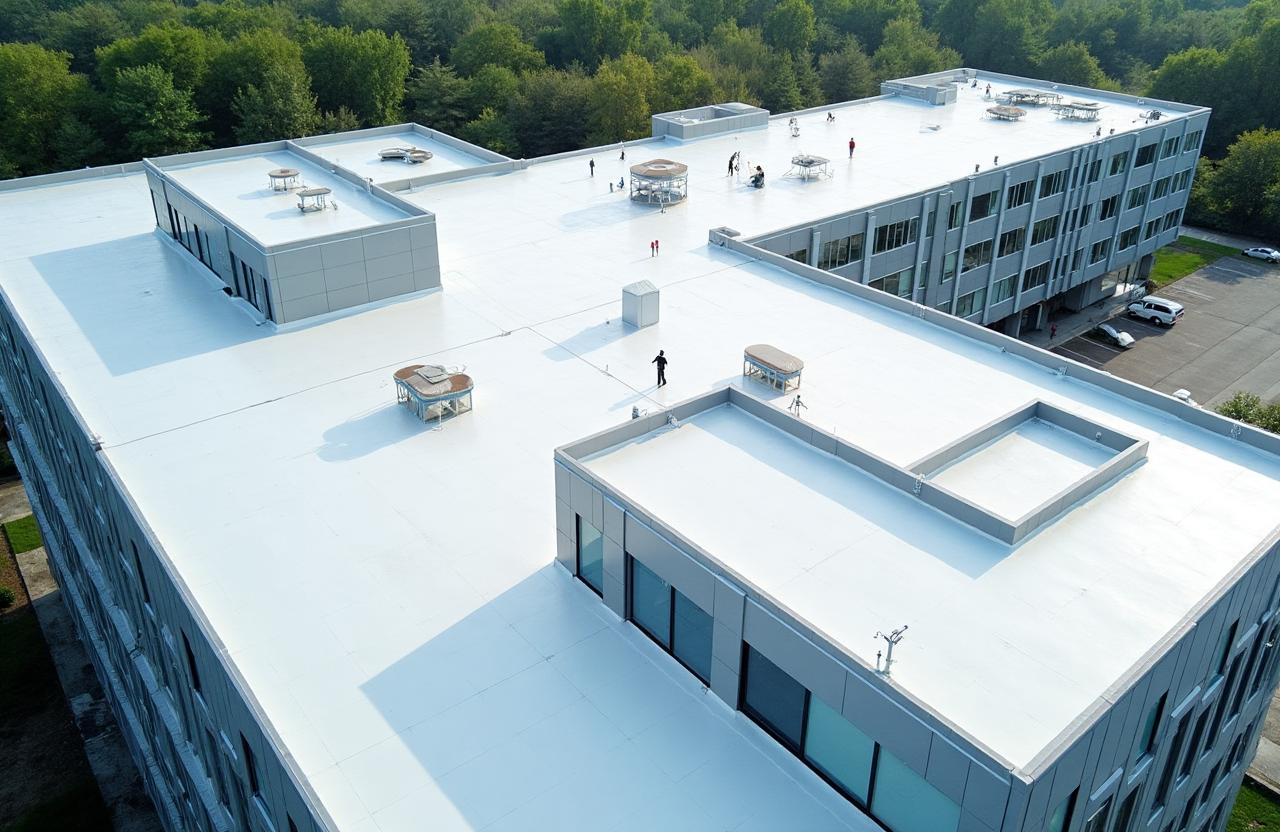
Recreation buildings combine two things that complicate a roof: very large clear spans and very wet interiors. A gymnasium or field house roof has to cross sixty, eighty, sometimes well over a hundred feet without an interior column, and an aquatic center adds a pool hall full of warm, chemically aggressive air pushing against the deck from below. On top of that, these facilities are busiest in exactly the hours most contractors want off, evenings, weekends, and holidays, because that is when leagues play, families swim, and members work out. We handle community recreation centers, aquatic centers, gymnasiums, field houses, and indoor sports complexes across the Portland area, from city Parks and Recreation facilities to school district gyms and the YMCA branches that anchor many neighborhoods. Portland's strong public roof planning in recreation, including the regional draw of facilities tied to the city's well-known running and outdoor culture, keeps these buildings in steady use and steady need of roof maintenance.
A clear-span gym or arena roof deflects more than a typical commercial deck, the same long-span behavior you see over a movie theater auditorium, and the fastening pattern and membrane have to be specified for the wind uplift that big, open geometry generates. The deck type and span drive that specification directly: a steel deck at an eighty-foot span needs different fastener pull-out calculations than the same deck at thirty feet, and getting it wrong shows up as fasteners backing out and seams stressing under load. We provide the structural deck evaluation and fastener engineering as part of every long-span scope rather than applying a generic attachment schedule, and for the large gymnasium roofs that dominate this category we typically specify 60-mil or 80-mil TPO mechanically attached over polyiso, sized to the actual deck.
An indoor pool is the most demanding roofing environment in this category, and the culprit is chloramine. When pool chlorine reacts with the organic matter swimmers bring in, it produces chloramine gas, which is highly corrosive and rises straight into the roof assembly and the rooftop HVAC. It eats standard metal flashing, aluminum edge metal, and some membrane adhesives. For natatoriums in Portland we specify stainless steel or copper flashing in the chloramine-exposed zones, confirm the membrane against the manufacturer's chemical-resistance data, and use adhesive formulations tested for pool-hall service. Just as important, the ventilation has to exhaust that air toward the outside rather than recirculate it above the pool envelope, so we coordinate any exhaust or HVAC penetration work with the design intent for the space. Generic roofing specifications do not belong on a natatorium.
Even setting the pool aside, athletic activity and locker rooms generate enough interior moisture that vapor drive into the roof is a real concern, and Portland's marine climate sets the rules for how to handle it. The vapor retarder has to sit in the right place in the assembly for this climate zone, and the strategy that works in a dry inland market is wrong here. Before specifying any reroof we run a moisture survey of the existing assembly, because recovering over a wet or misspecified buildup compounds the moisture problem instead of solving it. On an aquatic or high-humidity facility that survey is standard practice, not an upsell.
The wet climate also makes daily dry-in non-negotiable. The long rainy season and the slow, persistent rain Portland is known for will find an open lap or an exposed deck overnight, and over a maple gym floor or a pool deck that is an expensive lesson. We do not leave a recreation roof open to weather.
These facilities run on a schedule set by leagues, swim lessons, camps, and events, and we build the work around it rather than against it. Gym and arena roof work concentrates in weekday daytime hours with dry-in confirmed before evening programming begins, and for aquatic facilities we coordinate with the pool operations team on any penetration work that could temporarily affect air exchange over the pool hall. The facility's management provides the programming calendar and we sequence to it.
Many of these buildings are public, owned by the city, the park district, or a school, and that changes how the work is contracted. Public projects mean competitive bid advertising, bid bonds, performance and payment bonds, and prevailing-wage compliance where it applies, and we carry the bonding and insurance and have the documentation experience these contracts require. Private clubs and sports-entertainment venues follow a different procurement path but bring their own scheduling complexity from membership programs and event calendars. We have navigated both across the Portland market.
We evaluate the deck and span and engineer the fastener specification to match, since attachment for an eighty-foot span differs from a thirty-foot one. Large gym roofs here typically get 60-mil or 80-mil TPO mechanically attached over polyiso, sized to the actual deck and uplift loads.