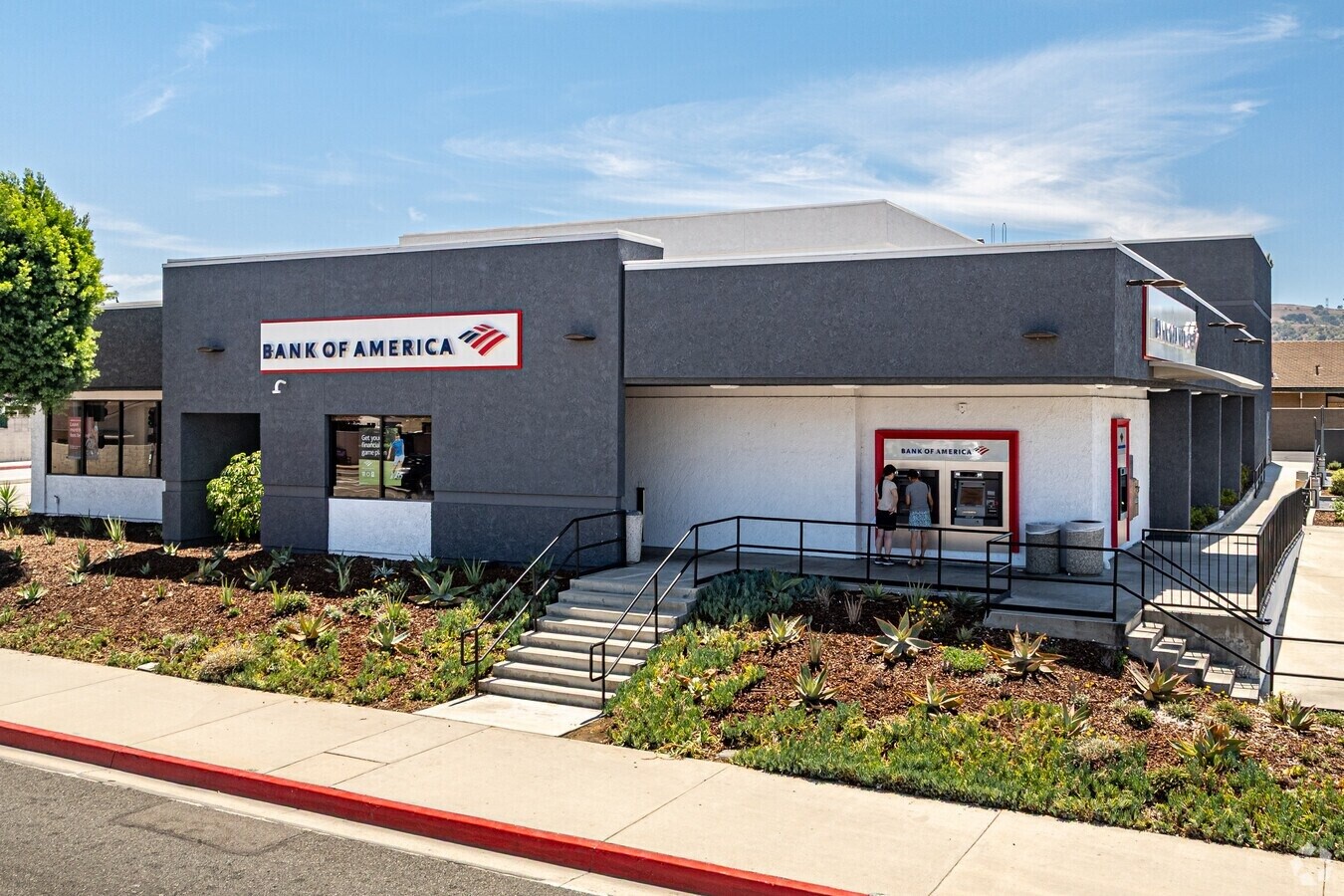
Bank roofs are small, and that is exactly why they are easy to underestimate. A branch is often only a few thousand square feet of low-slope membrane, but it sits at a prominent intersection where the building's appearance is part of the brand, and underneath that modest roof are the things a bank cannot afford to get wet: the vault, a server or network room, ATM electronics, and a customer floor where the first drip into a lobby becomes a same-day problem. We handle branch banks, credit unions, and financial-office buildings across Portland with that mismatch in mind, treating a small roof with the same care a large one gets because the consequences of a leak are out of proportion to the square footage. These buildings are everywhere here, from the branches lining the SE 82nd Avenue and Beaverton-Hillsdale Highway commercial corridors to the credit-union offices and downtown financial floors in the central business district.
The first surprise on a bank roof is the penetration density. For such a compact footprint there is a lot up there: the drive-through canopy ties into the roof, ATM kiosk enclosures and pneumatic-tube runs penetrate the deck, a standby generator usually means a transfer-switch room with rooftop exhaust, and the server room runs a dedicated precision cooling unit. Each of those is a flashing detail that has to be right. We inventory every one of them before pricing, because on a roof this size a single neglected curb or pipe boot is a meaningful share of the leak risk.
If a bank branch has a chronic leak, the odds are it is at the drive-through canopy. The transition where the canopy roof meets the main building wall takes thermal cycling all day, gets hit with wind-driven rain off the lanes, and moves with differential settlement between two structures that were often built to slightly different schedules. Standard retail flashing details do not hold up to that combination over the long run. We treat the canopy-to-wall transition as its own item rather than folding it into the field membrane, and if it shows deterioration we reflash it with a detail built for the movement it actually sees. Replacing the field membrane alone almost never fixes a canopy leak, and we have re-corrected plenty of jobs where someone tried.
Portland's weather makes that detail even less forgiving. The drive-through is a wind-and-rain funnel during the long wet season, and the persistent rain this city is known for will work any open joint at that transition relentlessly. Getting the canopy detail right is the difference between a roof that is quiet for twenty years and one that drips on a teller every winter.
Financial buildings carry access requirements that most commercial properties do not, and they shape the job from the bid forward rather than surprising us after the contract is signed. Contractor badging, escort requirements near vault-adjacent areas, and security-camera documentation of crew activity on the roof are standard at bank-owned properties. We build the credentialing timeline and any escort coordination into the schedule up front, and we pull vault-room locations off the drawings before mobilizing so work over those zones runs only during approved windows and nothing we do affects active vault operations through vibration or temporary access changes.
Branches run a full day Monday through Saturday with customers and sensitive operations inside, so we concentrate the loud tear-off and installation into off-hours and weekends and confirm a watertight dry-in before the lobby opens each morning. We coordinate work windows, noise limits during customer-service hours, and roof-access escorts with both the branch manager and the corporate facilities team. As on every project, the roof is buttoned up watertight before crews leave, which over a vault and a server room is not negotiable.
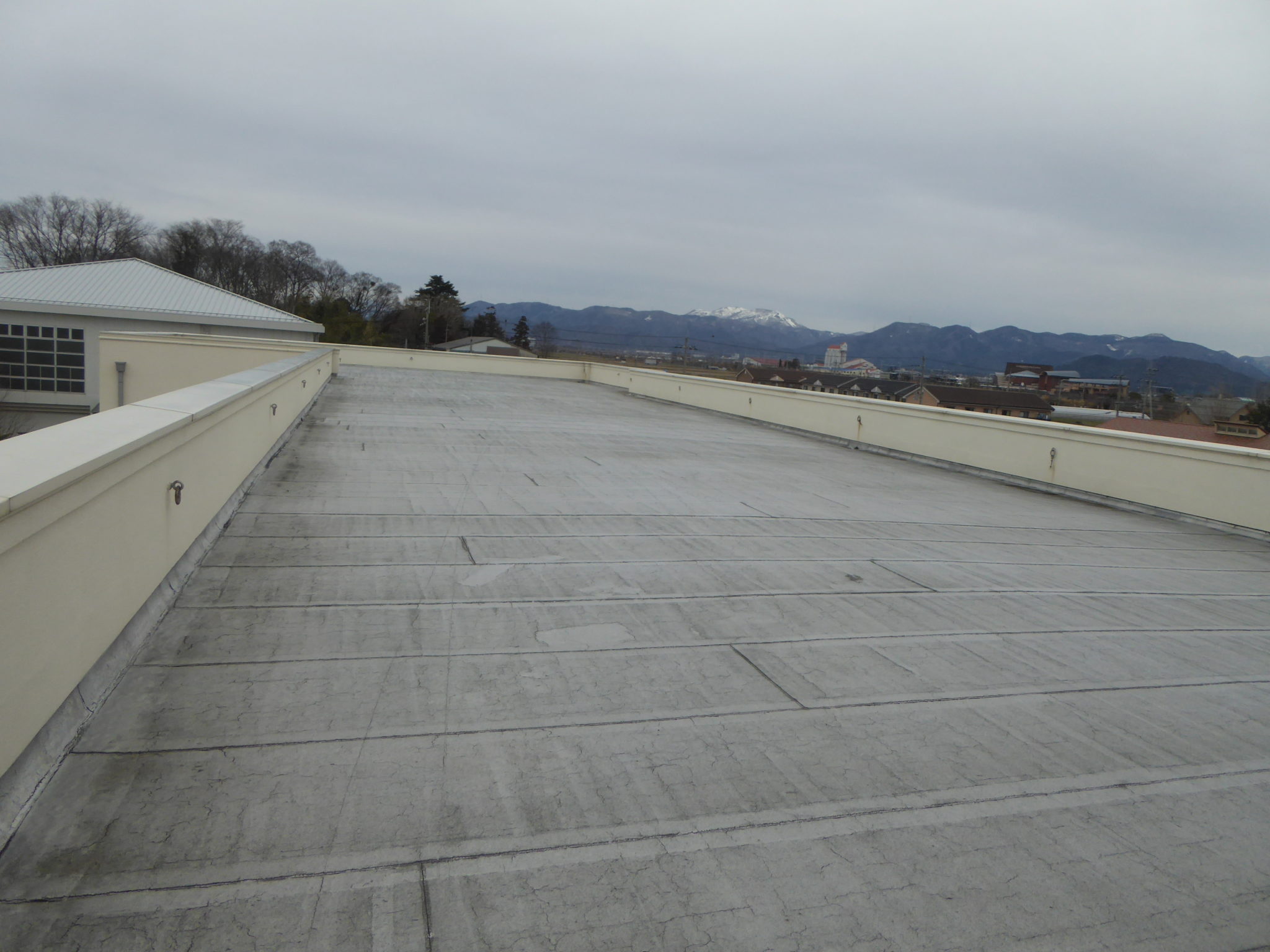
On a compact, high-visibility flat roof we typically specify a 60-mil TPO over tapered polyiso to correct the drainage and clear ponding, and for the higher-traffic or higher-stakes installations a KEE-based single-ply is a strong, long-lived choice that holds up well to the foot traffic these crowded little roofs see during service. Drive-through canopies and visible parapet caps get detailed for both watertightness and appearance, since on a bank the roofline is part of the storefront.
Some of these buildings are owned by community banks and credit unions managing a single property, and others belong to regional or national institutions running a roof file through centralized facilities management with preferred-vendor programs and standardized documentation. We work both ways. For multi-site programs we provide consistent scoping, documentation, and pricing across the roof file with a single project-management contact, and the closeout package, insurance and license verification, daily reports, manufacturer warranty registered to the owner, and the final permit and inspection set, slots into whatever vendor-management process the institution runs.