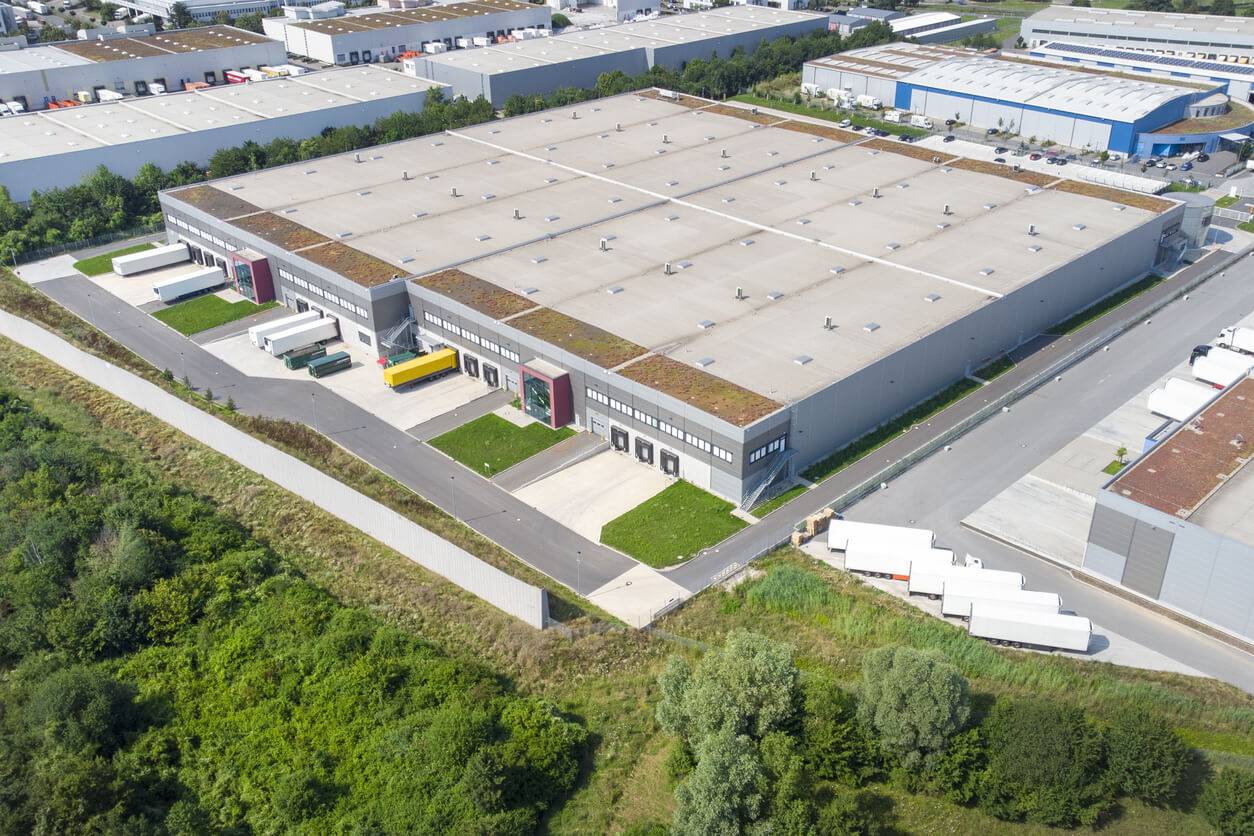
The defining feature of a movie theater is the empty space inside it. Auditoriums are built without intermediate columns, so the roof above an eight- to twelve-screen multiplex carries clear spans of 80 to 150 feet over each bay. Those long-span decks deflect and breathe under wind and snow load in ways a retail strip roof never does, and a fastening pattern copied from a strip-mall template will concentrate stress exactly where the deck moves most. We start a cinema roofing project with the structure, deck type, gauge, and span, and let that drive the attachment design, not a generic spec.
Portland watches a lot of movies, and the buildings that show them sit across the metro. The big multiplexes anchor retail centers in Clackamas, the Cascade Station area near the airport, Tigard, and the Eastport and Jantzen Beach corridors, while restored single-screen and boutique houses, the kind of theaters that anchor neighborhood business districts on Hawthorne, in the Hollywood District, and downtown, bring their own older, often quirky roof assemblies. Both kinds run afternoon-through-late-night, seven days a week, which makes the screening schedule the hard constraint on when a crew can work.
Every auditorium needs its own air. A typical multiplex carries a dedicated rooftop HVAC unit per screen to handle the heat and ventilation load of a full house, plus concession exhaust, lobby boiler vents, and condenser units for the walk-in coolers behind the food service. The penetration density above a busy cinema rivals what you'd find on far more technical buildings. Every curb, duct boot, and conduit run is an individual flashing detail that has to be inventoried, evaluated, and re-flashed before new membrane goes over it, and the units themselves usually have to keep running, because you can't seat an audience in a dark, unconditioned auditorium.
A theater roof has an acoustic job most roofs don't. Rain drumming on a thin deck, HVAC noise transmitting through curbs, and sound bleeding between adjacent auditoriums all reach the audience through the roof assembly. The insulation depth, the deck condition, and how cleanly the rooftop units are isolated at their curbs all affect what people hear during a quiet scene. We treat insulation continuity and curb detailing as part of the cinema's experience, not just its thermal performance, and we flag deck or insulation conditions that would let noise through.
Cinemas are usually built on steel deck or on concrete over structural steel, and the two call for different approaches. Steel deck takes mechanical attachment directly, but only at fastener densities matched to the rib depth and gauge, older short-rib deck has lower pull-out values than modern three-inch rib, and we verify pull-out before committing to a pattern. Over long spans where deflection is a real concern, we'll specify an adhered or hybrid system to avoid concentrating point loads at the seams. Concrete deck takes adhered or, where structure allows, ballasted assemblies. On any theater reroof in Portland we pull a core sample first to confirm the existing insulation layers, moisture content, and total weight-in-place before deciding between a recover and a full tear-off.
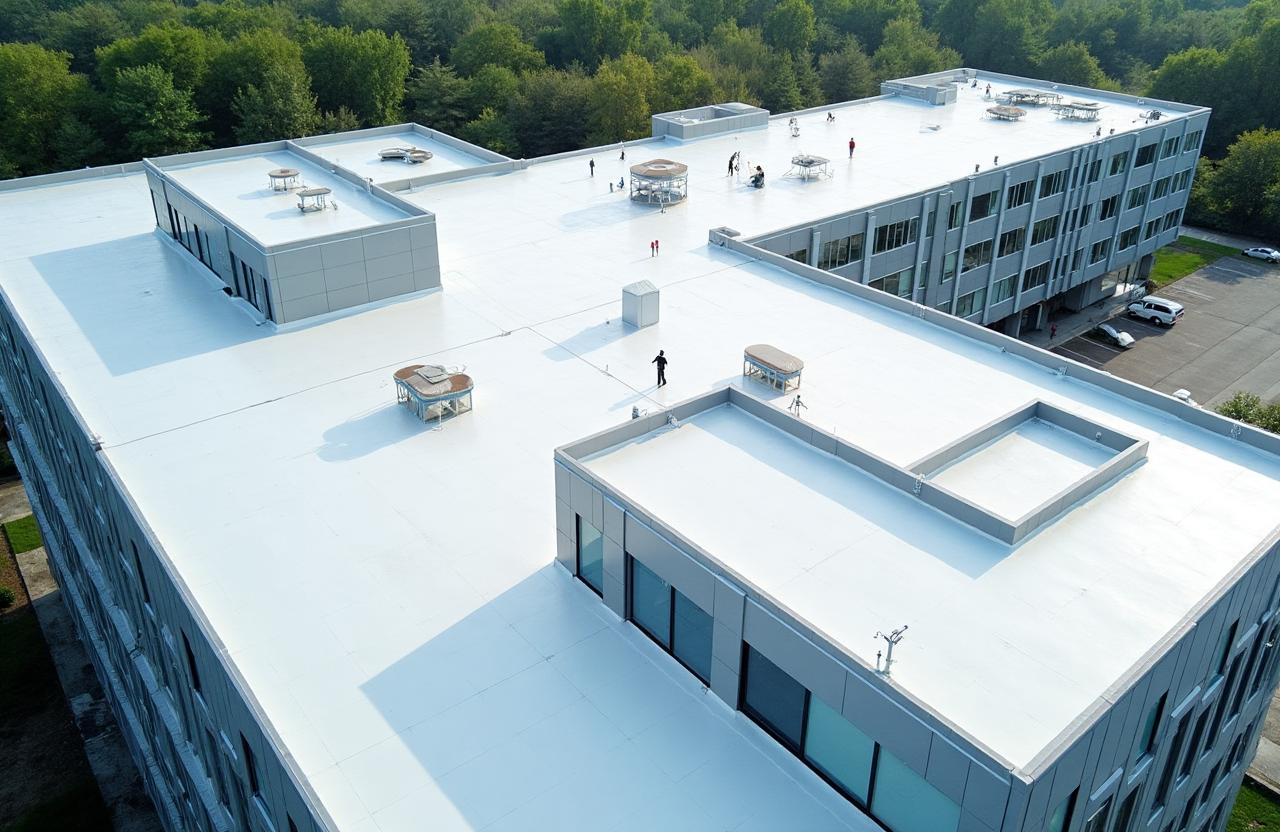
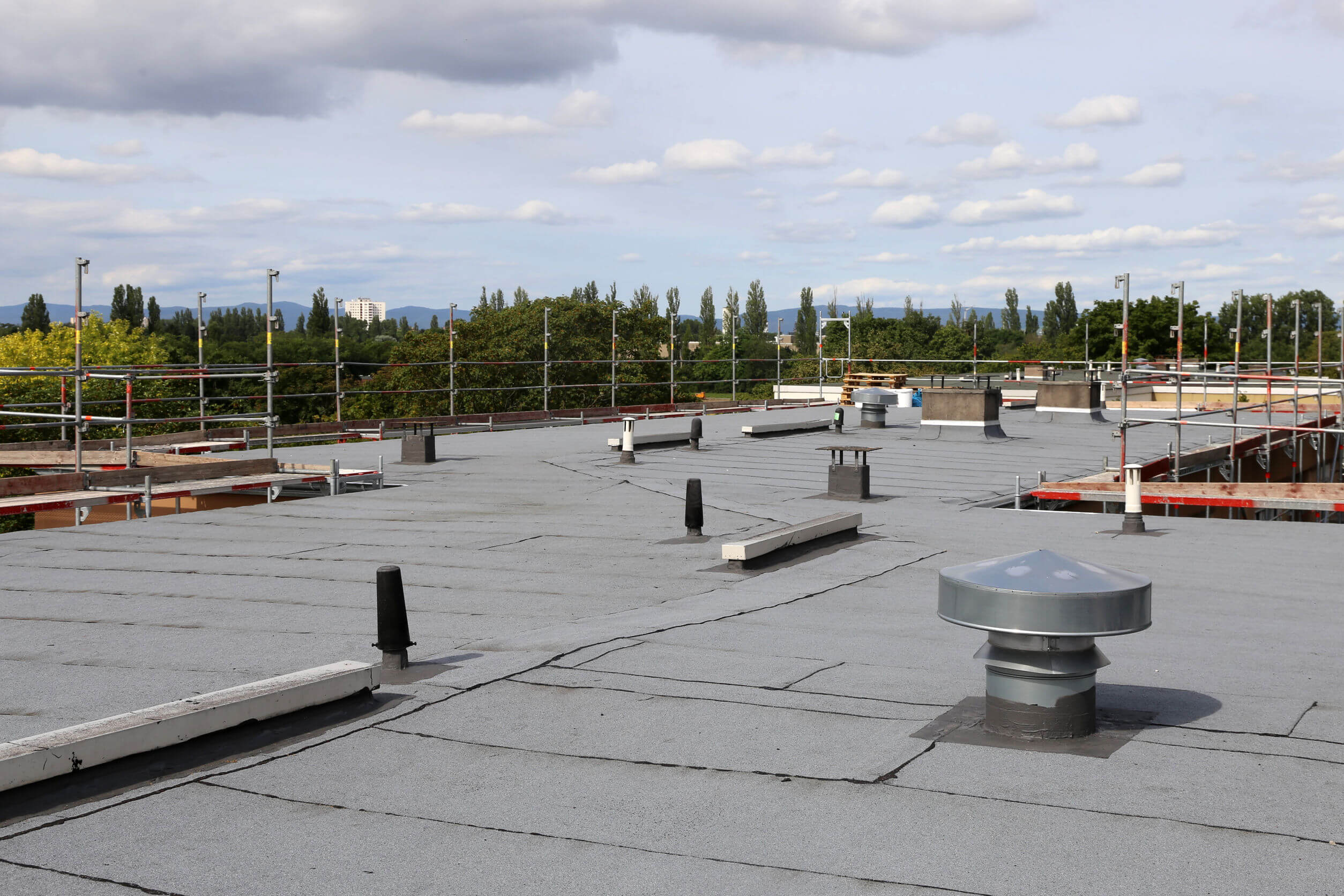
A multiplex presents a large, low-slope field to one of the rainiest climates in the country. Decades of deflection and re-roofing leave most older theater decks with drainage deficiencies and chronic ponding, which shortens membrane life and loads the long-span structure. We design tapered polyiso to move water positively to drains and scuppers, add overflow protection, and finish in white TPO that meets the cool-roof requirements most jurisdictions now apply to commercial reroof permits. Reinforced walkway pads protect the membrane on the heavily traveled paths between rooftop units, where HVAC service crews would otherwise wear it through.
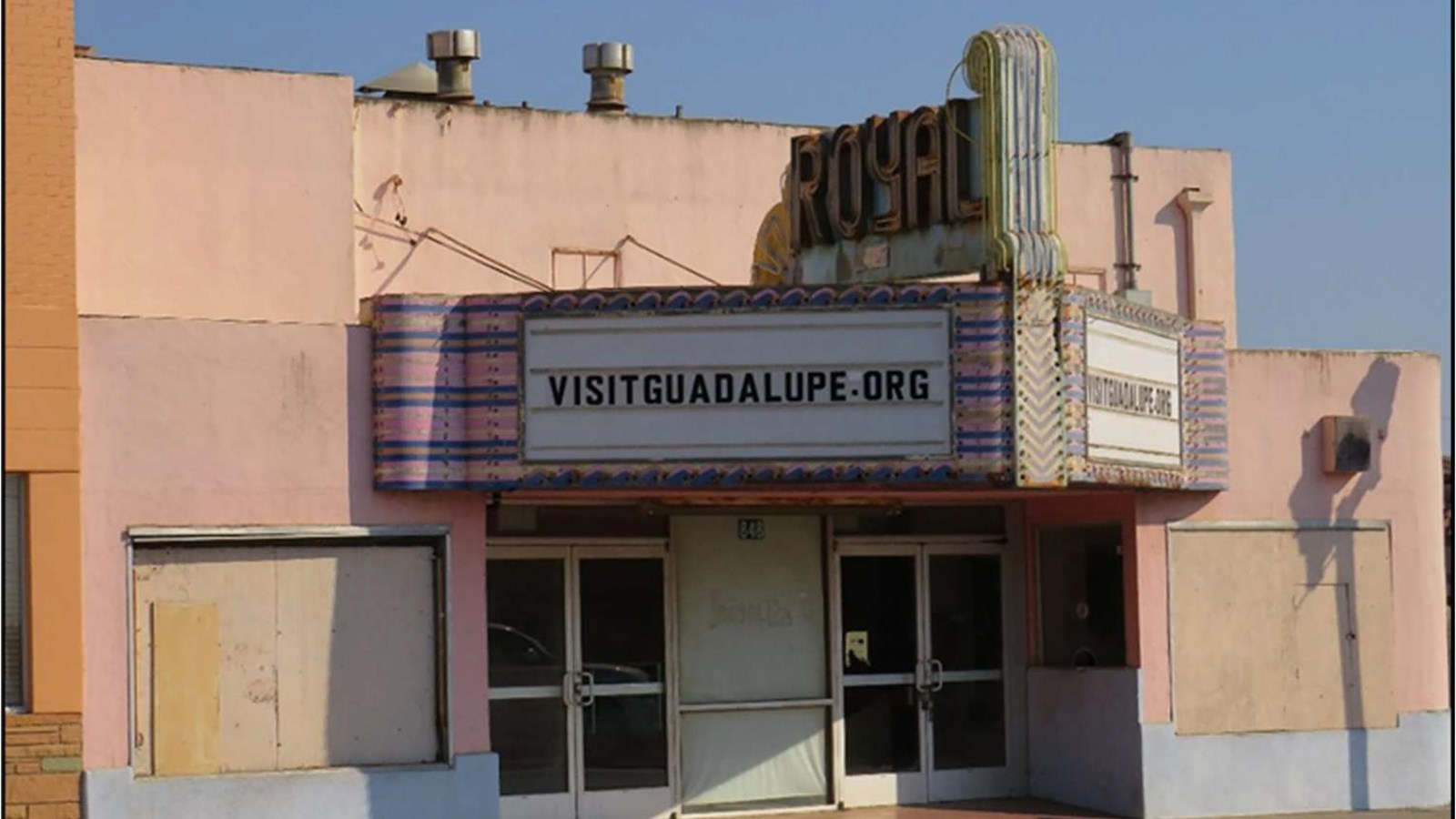
Theater operations run into the late evening, so the work is sequenced around showtimes the way it would be around any 24-hour building. Each section is torn off and dried in so it is watertight before evening screenings begin, HVAC shutdowns for curb or penetration work are coordinated with facilities management, and crew access and staging are kept clear of lobby entries and evening foot traffic. The marquee and entry-canopy connections, chronic leak points on older Portland theaters where supports penetrate the membrane and two structures meet, are re-flashed as part of the scope.
Most often 60-mil or 80-mil TPO mechanically attached over tapered polyiso. The tapered insulation corrects the ponding that accumulates on flat theater decks, and white TPO meets the cool-roof energy-code requirements most Portland-area jurisdictions apply to commercial reroofs. We add reinforced walkway pads on the service paths around rooftop HVAC.