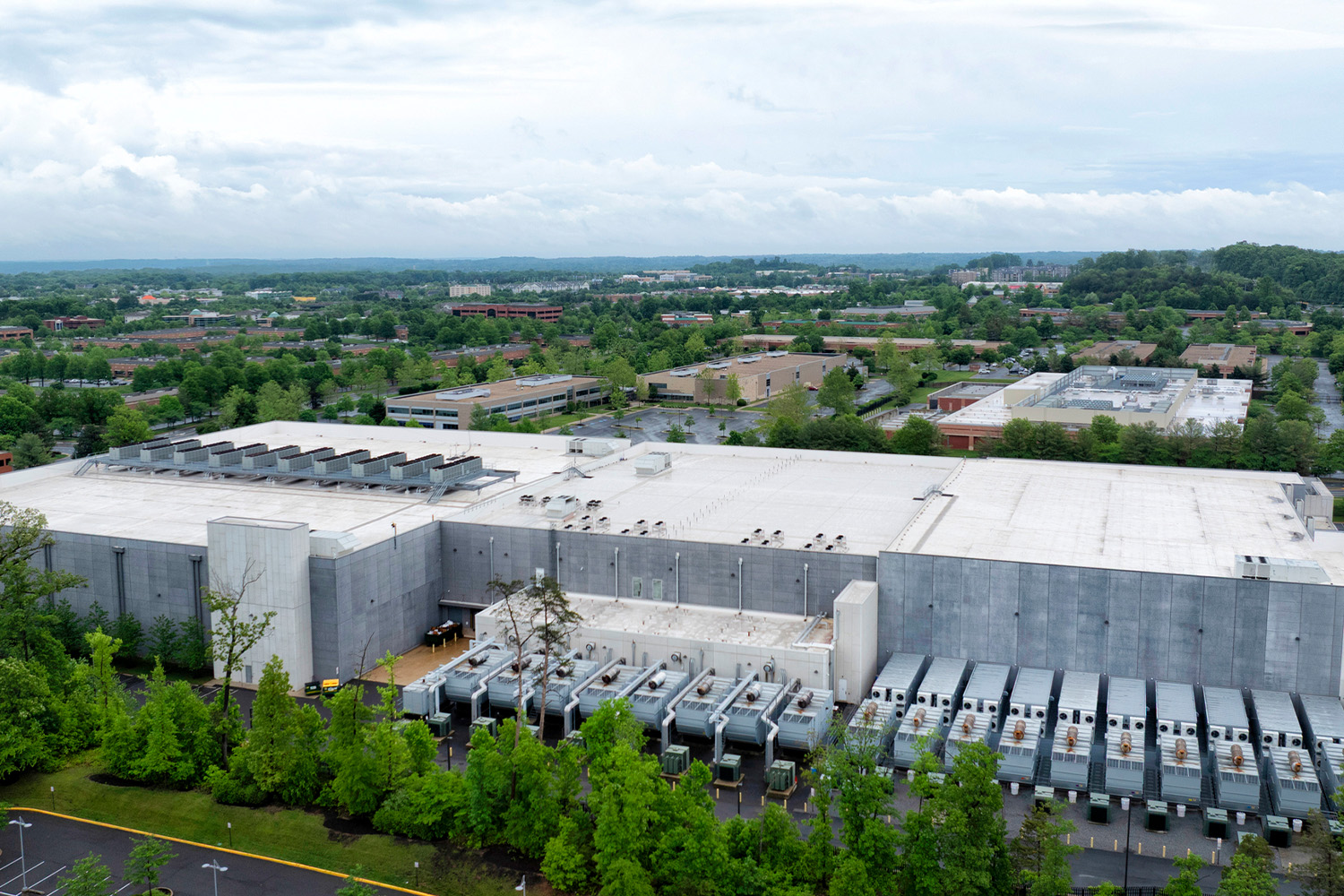
Portland sits at the edge of one of the most significant data center corridors in the country. The Hillsboro and Beaverton suburbs to the west of the city host massive computing facilities for Yahoo!, Intel's Jones Farm campus, and Marvell (which acquired Inphi), while NTT operates substantial Portland-area infrastructure serving West Coast enterprise clients. Intel's Oregon R&D presence in particular, one of the most important semiconductor design and fabrication centers in the world, requires computing and laboratory infrastructure of extraordinary sophistication and value. The roofing systems protecting these facilities must perform to the highest commercial standards because the equipment beneath them is irreplaceable on any short-term timeline.
Portland's position in the Pacific Northwest tech ecosystem means that roofing contractors here serve clients with some of the highest technical expectations in the industry. Companies like Intel, Yahoo!, and Marvell bring engineering cultures that apply rigorous standards to facility infrastructure just as they apply to their primary technical products. Facility managers at these organizations expect contractors to provide comprehensive documentation, adhere precisely to specifications, and demonstrate their quality control processes rather than simply asserting competence. The bar for contractor qualification in this market is high, and contractors who have not developed the documentation and process infrastructure to meet institutional requirements will not succeed in this segment regardless of their installation quality.
Portland's climate is defined by its extended wet season, which runs roughly from October through May and delivers consistent, moderate rainfall rather than the intense convective storms that challenge Gulf Coast or Great Plains markets. The total annual rainfall, around 36 inches, is not extreme, but the duration of the wet period and the frequency of overcast, drizzly conditions creates a roofing environment where drainage performance, seam integrity, and the long-term moisture resistance of all assembly components matter more than peak storm resistance. A roof that drains poorly or has seams that allow slow infiltration will reveal those deficiencies over a Portland wet season in ways that might go unnoticed in a market with fewer total precipitation events.
Oregon's dry summer season creates a thermal and UV stress environment that complements the moisture stress of the wet season. Clear summer days in Portland produce temperatures in the 90s and significant UV exposure on south-facing and horizontal roof surfaces. The transition from a wet, overcast season to a hot, dry season and back again creates thermal cycling stresses that are particularly concentrated in the shoulder periods, spring and fall, when the greatest temperature swings occur in the shortest time periods. Membrane seams, penetration flashings, and adhesive bonds all experience fatigue from this cycling, and inspection programs should specifically target these transition-season stress points.
Seismic resilience is a critical design requirement for data center roofing in Portland. The Cascadia Subduction Zone, offshore from Oregon and Washington, represents one of the most significant earthquake hazards in North America, a scenario event of magnitude 8 or 9 has been estimated to cause extraordinary damage across the region. While standard commercial construction may accept some level of damage in such an event, data center operators with business continuity obligations must plan for their facilities to remain functional or rapidly recoverable. Rooftop mechanical equipment must be seismically restrained, and the roofing system must be designed to accommodate the building movement that a major seismic event would produce without catastrophic failure.
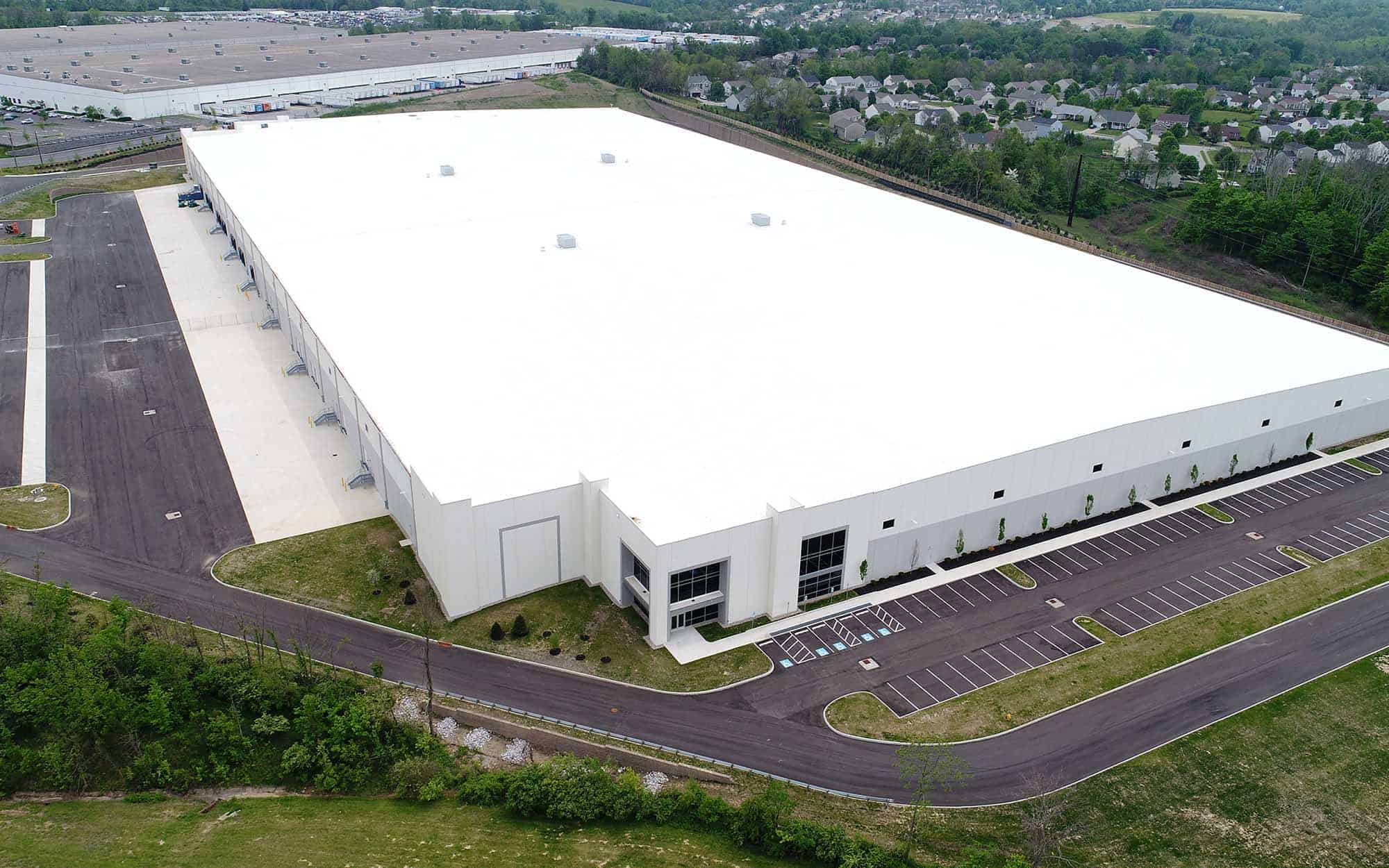
Energy efficiency requirements in Oregon and the Portland metro align well with the cool-roof specifications that data center cooling efficiency requires. Oregon's energy code is among the more stringent in the country, consistent with the state's energy and environmental policy orientation. TPO membranes with high reflectance values are the dominant choice in this market, and contractors here are generally well-versed in the documentation requirements for energy code compliance. The combination of regulatory efficiency standards and the operational energy efficiency benefits of reflective membranes produces a strong consensus around cool-roof specifications for Portland data center projects.
Vapor management in Portland's marine-influenced climate deserves careful treatment. The long wet season creates conditions where moisture can accumulate in roof assemblies through vapor diffusion, condensation on cool surfaces, and slow infiltration through minor deficiencies. The correct vapor retarder strategy for Portland data centers, where interiors are maintained at controlled temperatures below the exterior dewpoint during much of the summer, requires a hygrothermal analysis that accounts for Portland's specific climate data and the facility's interior conditions. A vapor retarder designed for a standard office building in Portland's climate zone may not be appropriate for the unusual interior conditions of an active computing facility.
The green building culture that is strong in Portland creates both opportunities and constraints for data center roofing. Green roof systems, living roofs with soil and plant material, have been specified on some Portland data center projects as a way to address stormwater management requirements and contribute to sustainability certifications. Living roof systems add complexity to the waterproofing specification, the waterproofing must be absolute, because repair access through a planted assembly is expensive and disruptive, and they add structural load that must be accounted for in the building's engineering. Contractors considering green roof specifications for data center applications should verify that the structural system can accommodate the loads and that the owner's maintenance program includes the horticultural component that living roofs require.