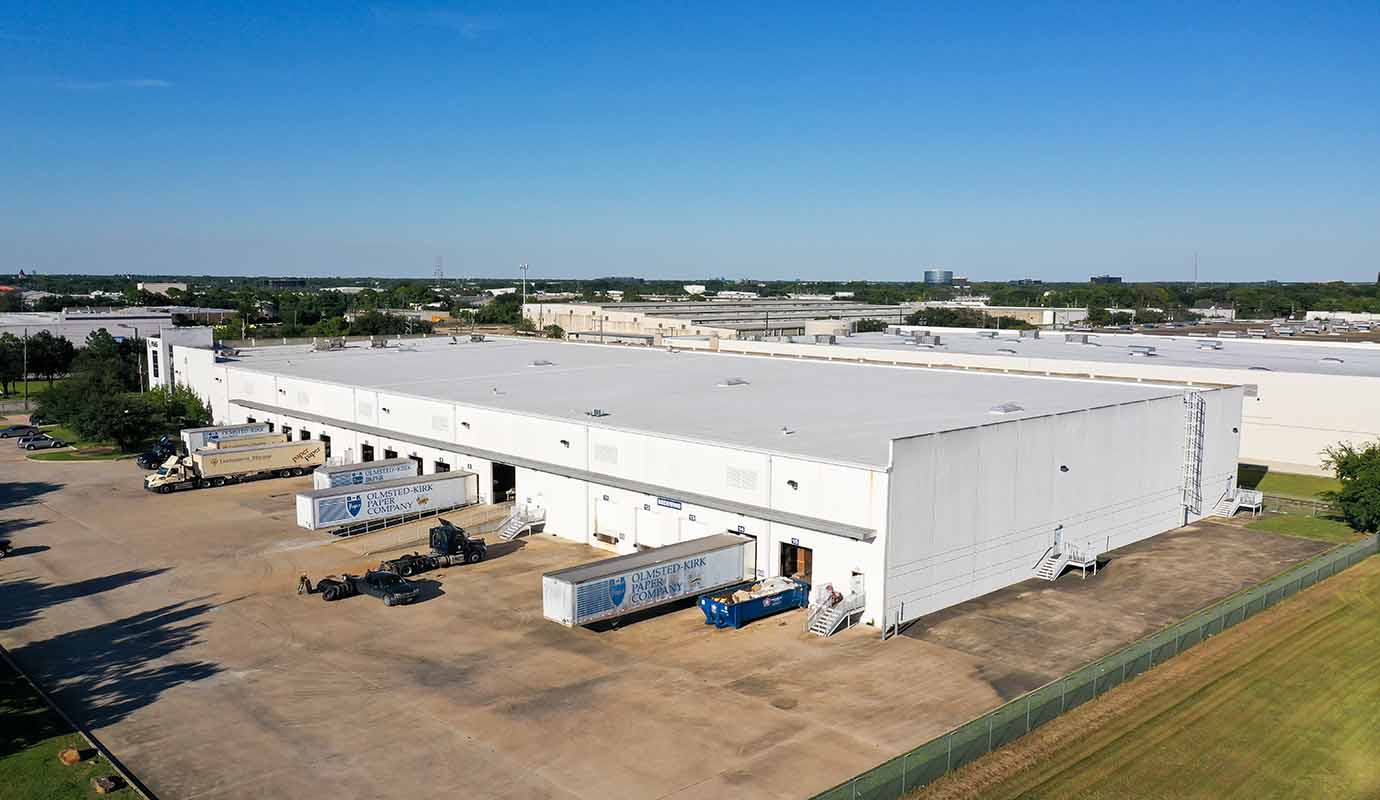
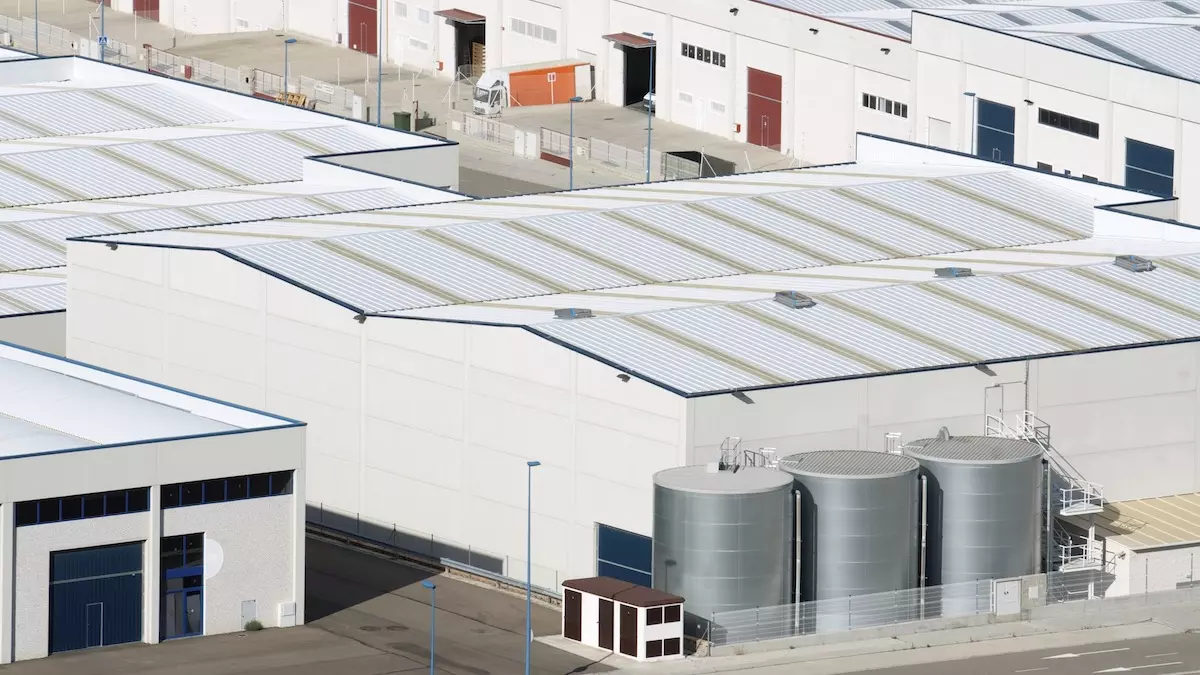
Portland's commercial real estate market has drawn DST acquisition interest from sponsors targeting industrial properties in the Columbia River corridor, flex-industrial assets in the Eastside submarkets, and NNN retail centers serving the metro's dense residential neighborhoods. Oregon's tax environment and Portland's position as a Pacific Northwest logistics hub have maintained industrial fundamentals through recent cycles, and 1031 exchange building owners seeking stable passive income have found the asset type compelling. What due diligence teams need to understand before closing on a Portland industrial or commercial property is that the Pacific Northwest climate creates roofing challenges that are fundamentally different from Sun Belt or Midwest markets, and those differences matter directly for reserve adequacy and hold-period maintenance planning.
Portland's precipitation profile is the defining roofing challenge in this market. The city receives significant annual rainfall concentrated in a long wet season that runs from October through May, and commercial roofs that handle drainage adequately during summer dry periods can reveal deficiencies quickly when the rains return. Moss and biological growth on low-slope roofs is not just an aesthetic issue; it retains moisture against membrane surfaces, accelerates degradation, and adds weight load that was not part of the original structural design. For DST properties with roofs that have not been treated or cleaned regularly, moss accumulation can represent a meaningful maintenance liability that a visual inspection without probing will miss.
For DST offerings on Portland industrial properties, the offering memorandum reserve schedule needs to reflect the maintenance demands of a wet-climate roof system rather than the lower-cost profile that dry-climate industrial assets typically support. Gutter systems, internal drains, overflow scuppers, and crickets all require regular attention in Portland to prevent ponding and water intrusion. Insulation compression from chronic moisture exposure is a common finding in older Portland industrial roofs and creates both an energy performance liability and a potential replacement cost that changes the reserve analysis.
1031 exchange building owners selecting Portland industrial DST assets are making a bet on Oregon's economy and the Pacific Northwest logistics market. The roofing due diligence component of that acquisition needs to be thorough enough to give sponsors confidence that the reserve schedule they are presenting to building owners will hold up through the actual climate conditions the property will experience. A reserve analysis that was developed for a Phoenix or Portland industrial building is not adequate for a Portland asset where precipitation patterns, biological growth rates, and drainage system demands are categorically different.
Our Portland commercial roofing team has extensive experience with the building types that drive DST acquisition activity in this market, and we understand what Pacific Northwest weather does to commercial roof systems over time. We deliver condition reports that are calibrated to Portland's specific climate, documenting biological growth conditions, drainage system adequacy, insulation compression assessment, and membrane condition in a format that addresses the questions that DST sponsors and their due diligence teams need answered. Our reports integrate directly into offering memorandum capital expenditure tables and hold up to third-party due diligence review.
Oregon building code requirements and Portland's local permitting environment affect roofing work in ways that matter for hold-period budget accuracy. Permit requirements for significant roof replacements, energy code compliance for insulation systems, and local contractor availability during the wet-season demand peak all affect what replacements actually cost compared to national benchmarks. Our reserve recommendations use Portland-market contractor pricing so that capital expenditure estimates in the offering memorandum reflect what work will actually cost, not what it would cost in a less complex permitting environment.
During the hold period, Portland DST properties need a roofing contractor who is proactive about the seasonal transition from summer to fall, because that is when deferred maintenance from the dry season begins to show consequences. We provide preventive maintenance programs that include pre-wet-season inspections, drain clearing, biological growth treatment, and documentation of any developing conditions that should be addressed before the rains begin. Remote asset managers receive digital maintenance reports and proactive alerts, not just reactive service calls when something fails.
Portland's seismic setting, while less acute than the East Bay or Seattle, is a real consideration for older commercial buildings in the market. The Cascadia Subduction Zone creates background risk that affects structural attachment details for rooftop equipment and the integrity of parapet wall connections that are also flashing anchor points. Our condition reports for Portland industrial and commercial properties address seismic risk factors where the building age and construction type make them relevant.