Portland, Oregon's manufacturing economy bridges two very different industrial worlds: Intel's massive Ronler Acres campus in adjacent Hillsboro,one of the largest semiconductor manufacturing complexes in North America,and the consumer products and athletic wear supply chain centered on Nike's World Headquarters in Beaverton. Both represent Portland-area manufacturing at its most sophisticated, and both place specialized demands on commercial roofing systems that go well beyond what office or retail buildings require.
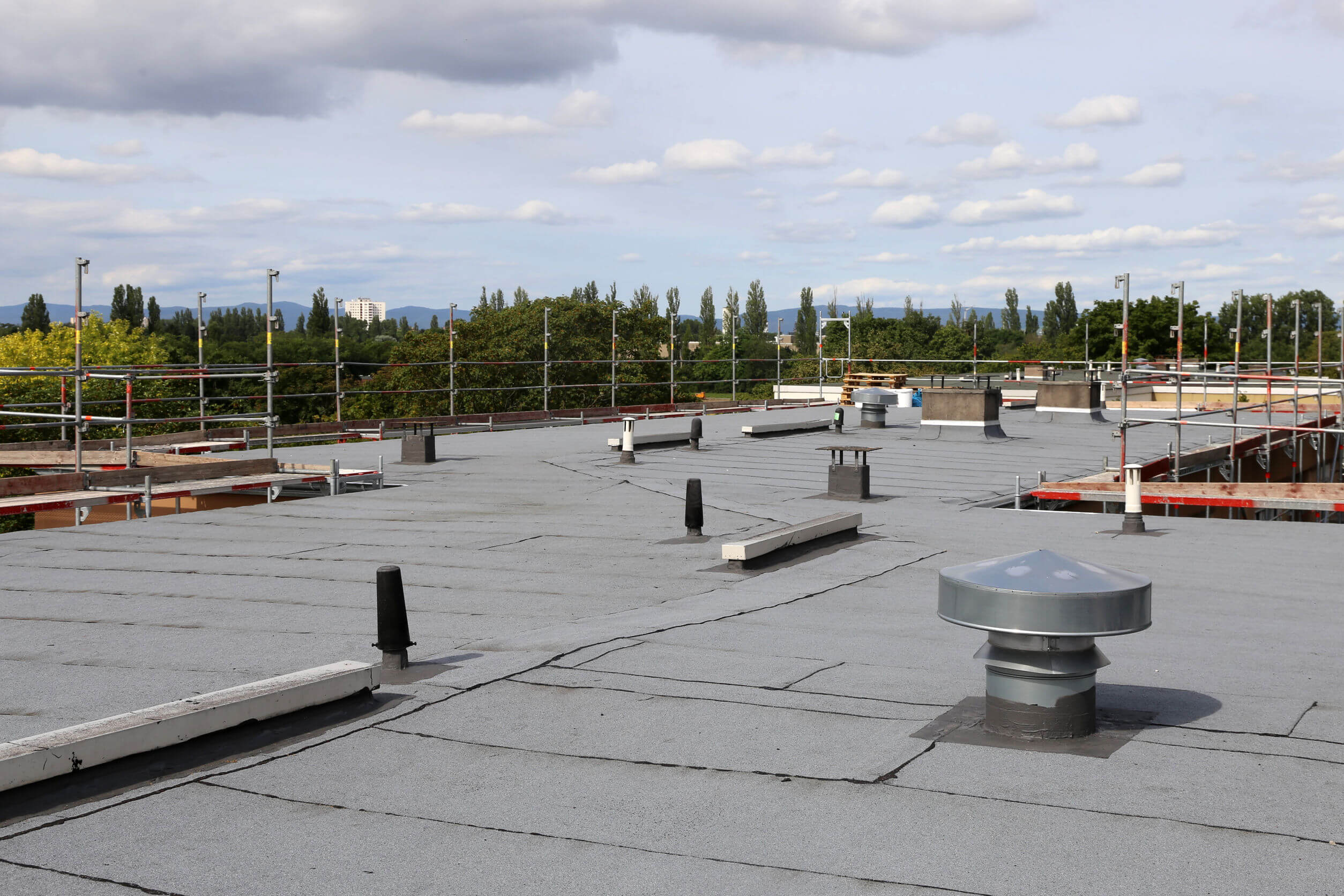
Semiconductor fabrication at Intel's Hillsboro campus involves process gases, acid-based etch chemistries, and ultra-pure water systems whose exhaust streams challenge rooftop membrane integrity. Roofing contractors serving the Hillsboro tech corridor must specify membranes with documented resistance to fluoride compounds, nitric acid vapors, and the suite of organic solvents used in photolithography. Sixty-mil EPDM or TPO fully adhered systems with manufacturer-specific chemical resistance documentation are the baseline; some process-intensive roof sections require fluoropolymer membranes that cost substantially more but resist the broadest range of aggressive compounds.
Athletic and outdoor gear manufacturing,Nike, Columbia Sportswear, and their regional supplier base,presents a different rooftop challenge profile. Textile production uses adhesive solvents, dye compounds, and fabric treatments whose vapors are less chemically aggressive than semiconductor etchants but still attack standard roofing adhesives over time. More significant for these facilities is the vibration profile from industrial sewing equipment, cutting tables, and materials handling conveyor systems that operate continuously across large single-story manufacturing floors.
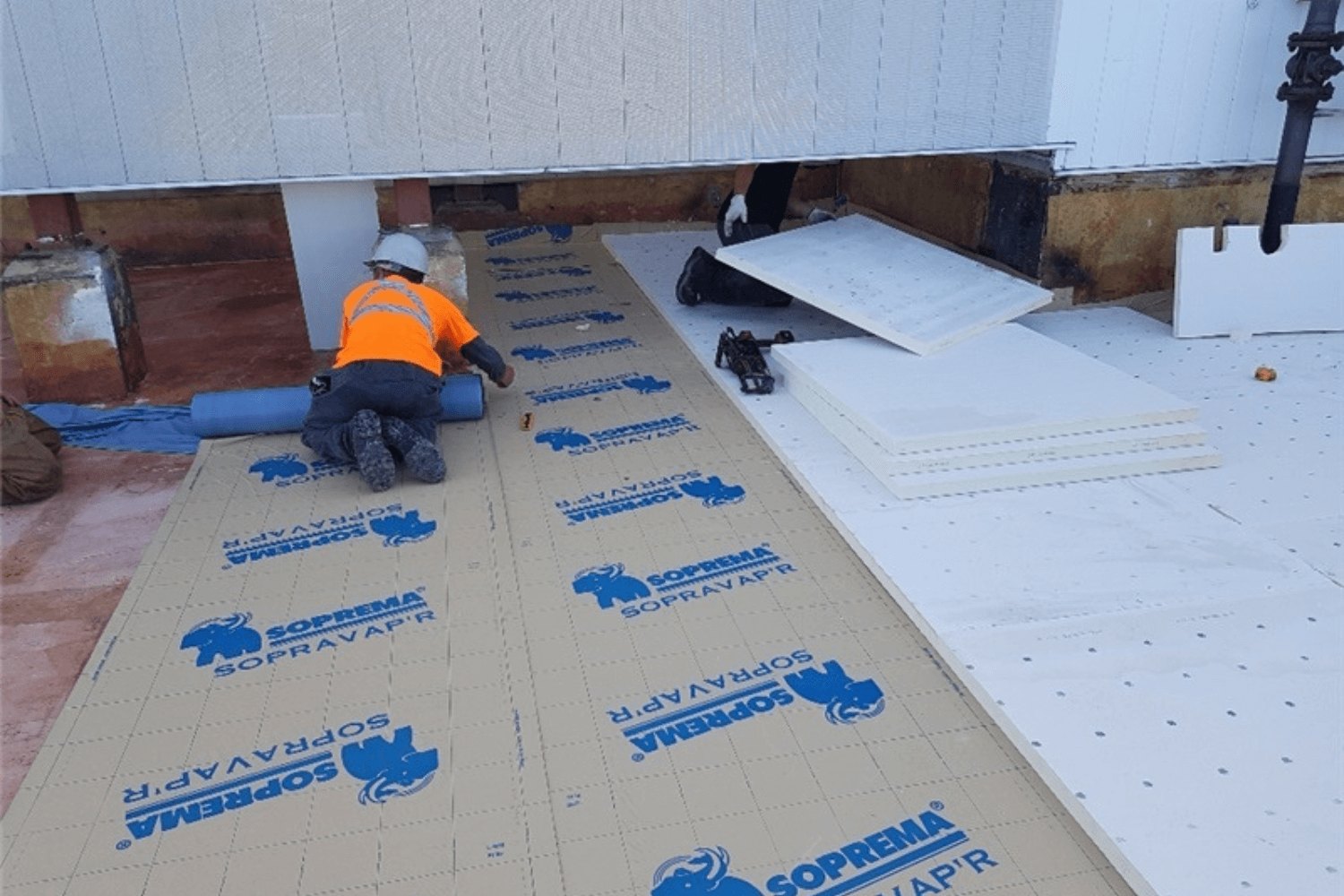
Portland's rainfall,averaging 37 inches annually with rain events distributed throughout nine months of the year,means that roofing system drainage design is never an afterthought. Industrial roofs in the Portland metro area that experience ponding water are exposed to that water for extended periods, accelerating membrane aging at low spots and increasing hydrostatic pressure at drains and drain collars. Tapered insulation systems that deliver positive slope to interior drains are standard practice for Portland industrial facilities seeking 20-year membrane warranties.
Skylights are widely used in Portland manufacturing facilities because the Pacific Northwest's overcast natural light is both abundant and diffuse,ideal for manufacturing floor illumination without direct sun glare. Intel's support buildings and Nike's campus structures both use extensive skylight systems. Each skylight unit represents a potential leak point at its curb flashing, and Portland's years of sustained moisture exposure gradually degrade sealant joints that are adequate in drier climates. Annual skylight perimeter inspection and proactive sealant maintenance extend roofing system life significantly in this market.
Seismic exposure is a distinguishing feature of Portland commercial roofing design. The Cascadia Subduction Zone creates a low-frequency but high-consequence seismic risk for the entire Portland metro area. Fully adhered roofing systems resist seismic racking better than mechanically attached alternatives,adhered systems move with the deck rather than allowing the membrane to rack against fasteners. Industrial roofing specifications for Portland facilities should explicitly reference seismic design considerations in the attachment method selection.
Schedule coordination at Portland manufacturing facilities varies by industry. Intel's fab operations run continuously; Nike's campus mix of office, design, and distribution functions means some areas can accommodate daytime roofing work with minimal impact. The key discipline is pre-project coordination with facilities management to identify work windows, establish material staging areas that don't conflict with production logistics, and communicate weather-related schedule adjustments clearly to plant operations teams.
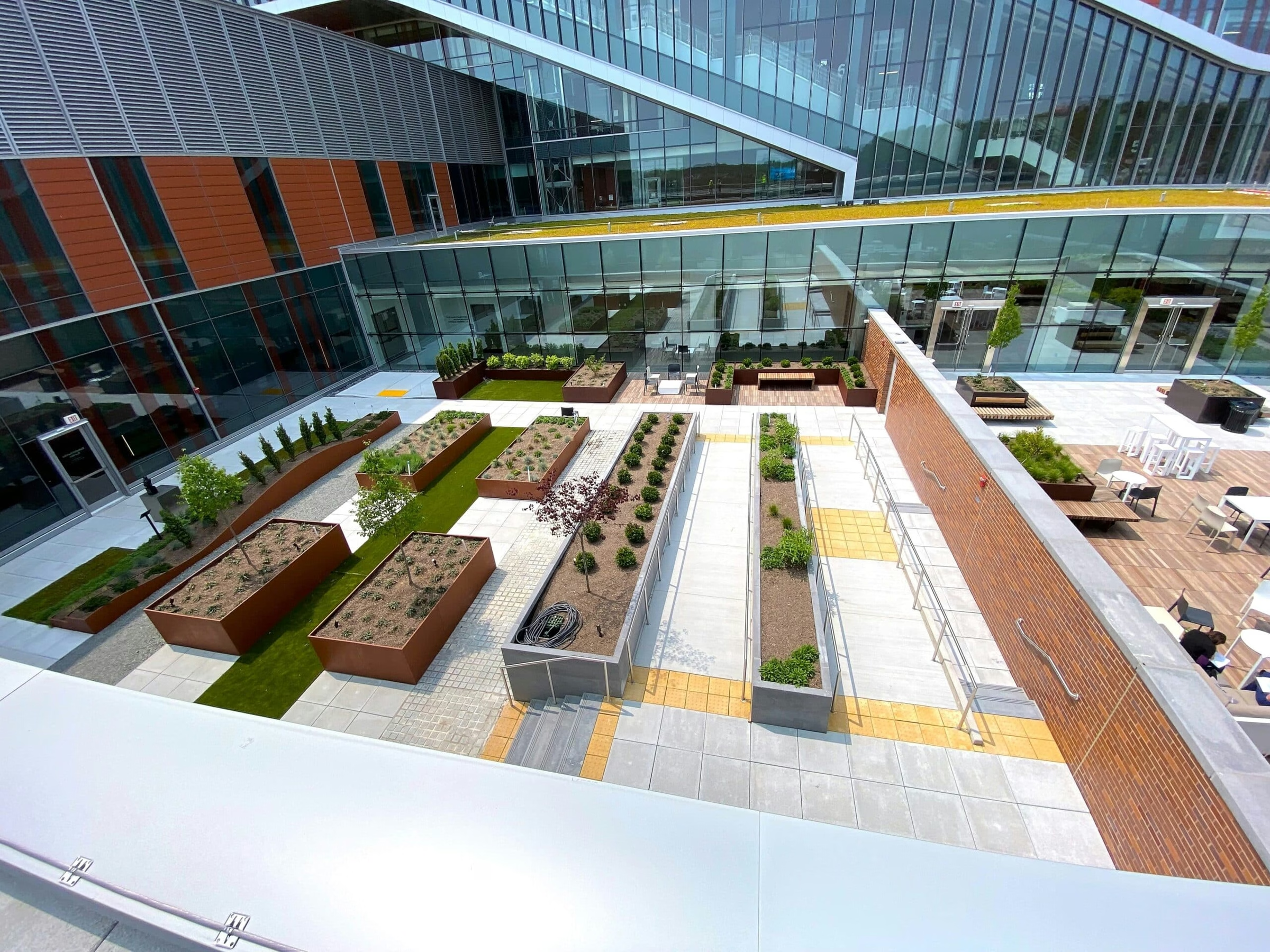
Oregon's green building culture has influenced industrial roofing specifications in the Portland market. Several large manufacturers have specified vegetated or cool-roof assemblies on their Portland facilities to meet sustainability commitments and qualify for utility incentive programs. Portland General Electric and Pacific Power both offer demand response and energy efficiency incentives for commercial facilities that improve rooftop thermal performance. A reflective roofing upgrade can also contribute to LEED credits for facilities pursuing certification on expansion or renovation projects.